The Trump administration has renewed its effort to discourage immigrants — and even citizens in immigrant families — from using essential services including nutrition benefits and ARKids First. The decision is likely to increase child hunger, uninsured rates, and housing insecurity, as well as cause fear and confusion in Arkansas’s immigrant community.
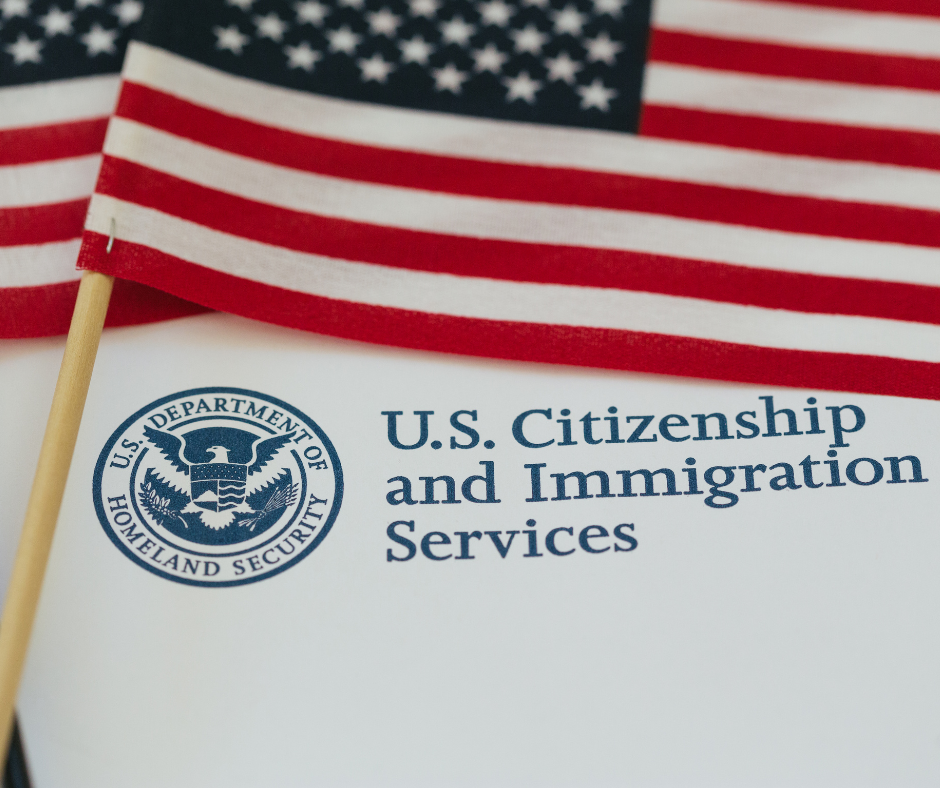
The administration’s proposed new “public charge” rule would make it harder to gain citizenship or a green card if there is a record of using a government benefit, though the proposal is so vague it’s hard to know exactly which benefits or how it would work. Lack of clarity is one of the major issues with the new rule, which you can learn more about here.
What Will Change?
The term “public charge” has long been used to identify people who may depend on government benefits as their main source of support. In 1891, the U.S. Congress included “persons likely to become a public charge” as a category of people who would not be allowed to enter the United States. In the past, only cash assistance and government-funded long-term care have been considered disqualifying conditions.
In 2019, during President Trump’s first term, the administration expanded the range of assistance that could be considered when determining whether someone would be deemed a public charge. It included the Supplemental Nutrition Assistance Program (SNAP), Medicaid, and housing assistance, among other programs. That had a chilling effect on signups for children’s safety net programs in Arkansas and throughout the country, even when the eligible children were citizens.
The Biden administration revoked that expanded rule and went back to the historical definition.
Now, the Department of Homeland Security has issued a notice that it intends to change the rule again. Its proposal would, like in the first Trump administration, expand what can be considered a public charge to include more than cash assistance and long-term care. But it doesn’t say what programs would be considered. Instead, the proposal states that Homeland Security wants to remove limitations on what programs can be considered. Such guardrails limit immigration officers’ discretion, according to the agency.
Does that mean a parent signing up a citizen child for free school lunch would lose their opportunity to obtain a green card later? Could a citizen child’s participation in ARKids First have the same impact on the parent’s ability to apply for citizenship? The notice leaves open this possibility, which is a big change from even the first Trump administration’s rule.
The federal government claims the change will save $9 billion annually. But because very few immigrants without green cards are eligible for public benefits, the change is likely to have the biggest impact among citizens, especially children.
In short:
- Going back more than a century, someone was considered a public charge if they would be dependent on cash assistance or government-funded long-term care.
- The first Trump administration expanded the list beyond cash assistance and long-term care. It included SNAP, Medicaid, and other programs.
- The Biden administration reversed that and went back to the old rule.
- Now, the current Trump administration seeks to expand the definitions again, but it’s unclear exactly how it would work.
Impact in Arkansas
The last time the public charge rule changed, we saw an increase in the children’s uninsured rate in Arkansas, even though health insurance wasn’t one of the programs that would have counted against a family. This time, it could be one of the programs included because Homeland Security wants maximum flexibility when making public charge determinations. It seems more than likely that we’d see similar results this time, in addition to families being unsure about signing their children up for school meals, subsidized early childhood education, and other programs.
In Arkansas, more than 79,000 children have at least one foreign-born parent, or about 1 in 9 children in our state. Almost 90% of those children are citizens.
Even though those children are clearly eligible (if they meet other criteria) for programs like ARKids First, their parents may be unwilling to sign them up for fear of what it might mean for other family members’ future citizenship or green card applications. That will no doubt reduce participation in programs that keep Arkansas children healthy and allow them the opportunities to meet their full potential.
We should all want children of immigrants to meet their full potential. It’s good for Arkansas, from the strength of our economy to our education system and community health overall.
For more information or to learn more about how you can make your voice heard in the government’s process of making this new rule, visit the Protecting Immigrant Families website.