It’s time to invest in our children
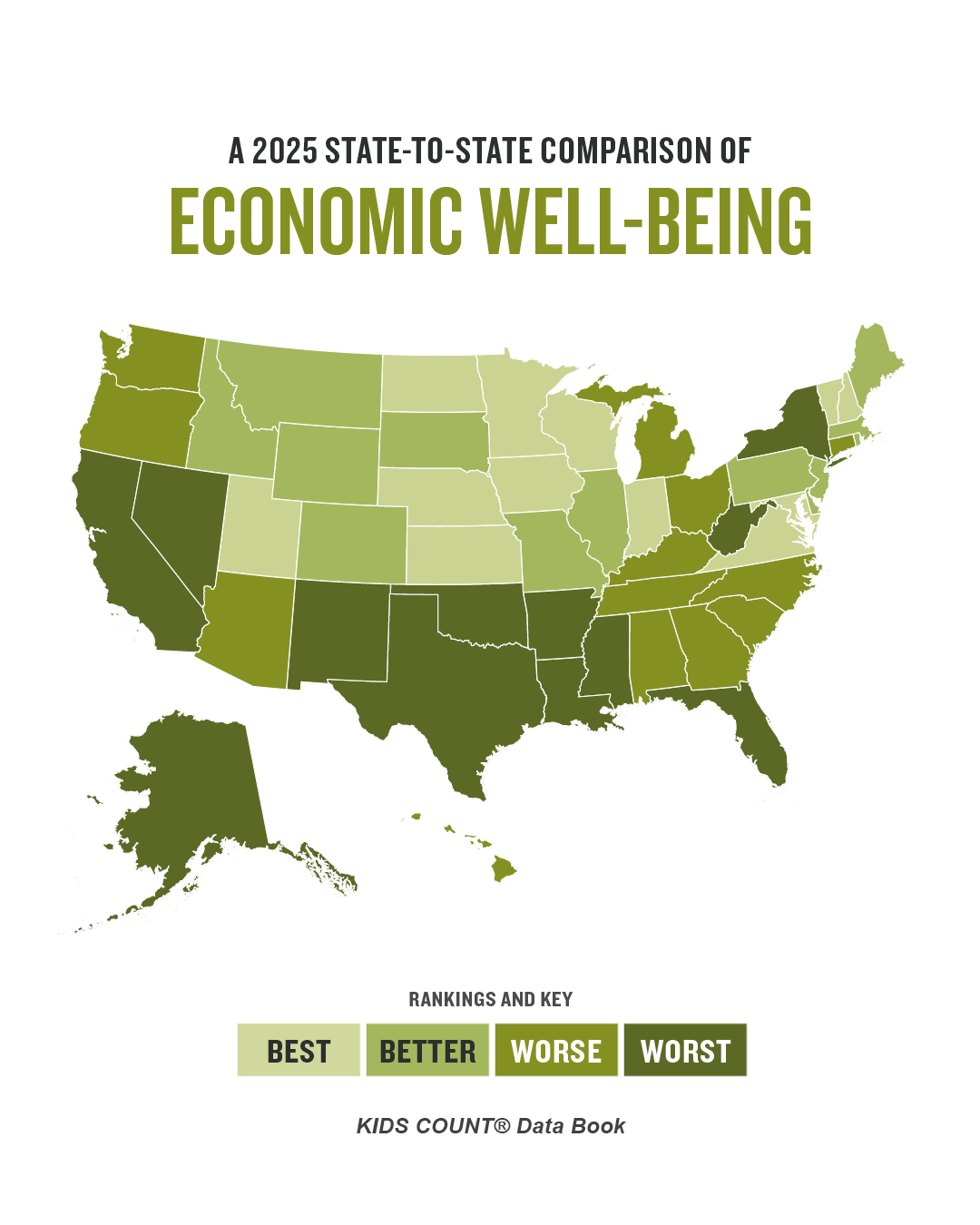
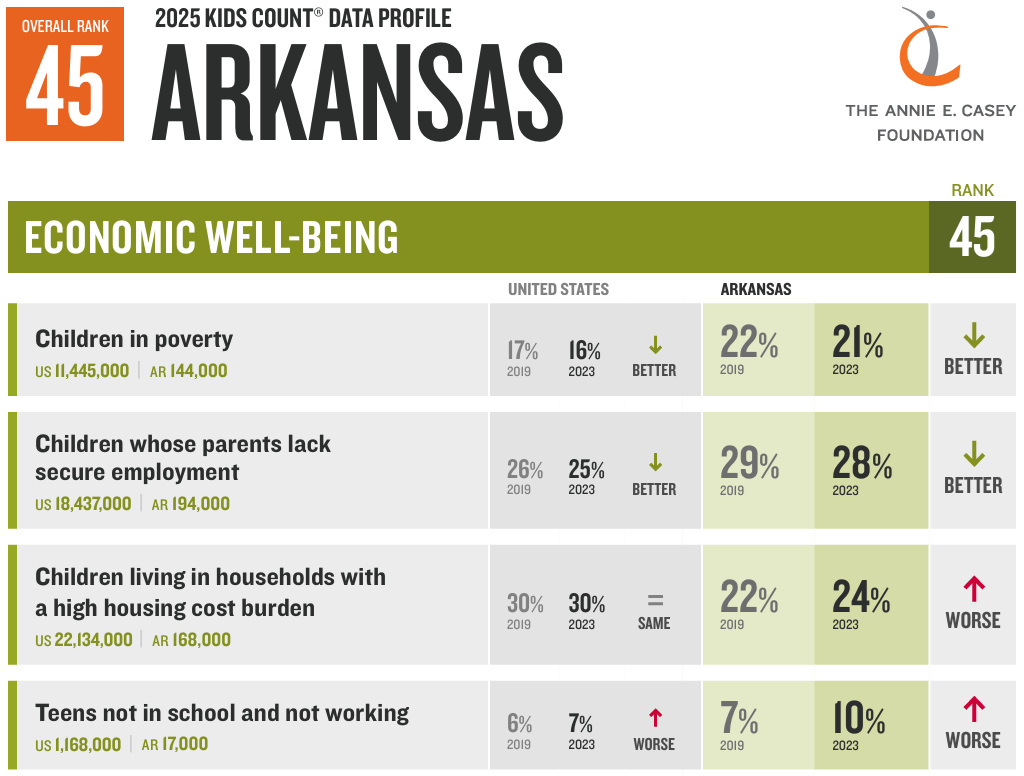
“Economic Well-Being” is one of four domains the Annie E. Casey Foundation uses to evaluate whether children across the country are getting what they need to be successful and to thrive. Among the states across the nation, Arkansas ranks 45th in this category in the 2025 KIDS COUNT® Data Book. This places our state squarely in the fourth and lowest quartile, with only five states performing worse. We can — and we must — do better.
The economic well-being domain consists of several indicators, perhaps none more important than “Children in poverty.” Based on 2023 U.S. Census data, there are 144,000 children living in poverty in Arkansas. That’s 21% of our kids, or more than one out of every five. We’ve made modest progress since 2019, when our childhood poverty rate was 22%. But our progress is slower than other states. While the number of Arkansas kids in poverty decreased by 5%, there are 6% less children in poverty across the country. And nationally, 16% of kids live in poverty.
Over the past five years, a total of 12 states witnessed a double-digit decrease in childhood poverty. What do these states have in common? The vast majority have a state-level Earned Income Tax Credit or Child Tax Credit. Some have both, while Arkansas has neither. In fact, the average Kids Count Data Book ranking for states with neither of these tax credits is 32. The average ranking for states with an established child tax credit is 16.
We know a child tax credit works because the expanded federal credit under the American Rescue Plan lifted more than two million children out of poverty around the country, including thousands in Arkansas in 2021. An Arkansas state-level child tax credit is especially important at this time, when the budget reconciliation bill being considered by the U.S. Congress would leave nearly 200,000 Arkansas kids out of the full federal child tax credit. Many of the kids who would get no credit at all are in families that need it the most.
While state-level earned income and child tax credits are correlated with a better Kids Count Data Book ranking, states successfully lifting children out of poverty are implementing comprehensive strategies and policies. The four indicators in the economic well-being domain, taken together, tell a story of investment in children. But in Arkansas, they tell a story of underinvestment.
Through a partnership with the Children’s Funding Project, Arkansas Advocates developed an Arkansas Children and Youth Fiscal Map. This map provides the first comprehensive view of state and federal funding supporting kids in Arkansas. Through the map, one can explore funding streams by child age, services and programs, and outcome category.
Comparing state fiscal maps reveals an unsurprising fact: the amount of public dollars states strategically invest in our young people is correlated with the corresponding Kids Count Data Book economic wellness ranking (and even more so with the Data Book overall rank).
Comparing two southern states is illustrative. Excluding public education, Arkansas invests $1,850 per child. The state of Virginia invests $2,787 per child, or 50% more. In the Kids Count Data Book Virginia is ranked 12th in economic well-being, and 13th overall. Arkansas is 45th in both categories.
The good news is that we already know what to do to help children thrive. It’s past time for Arkansas lawmakers to make strategic investments in our kids with comprehensive policies, including a state-level child tax credit. The better news: the return on the investment will be tremendous as our children grow to be the successful, thriving adults we want them to be. This must be the mission for our leaders and, indeed, all of us, especially if the federal budget proposals currently being debated in Congress pass.