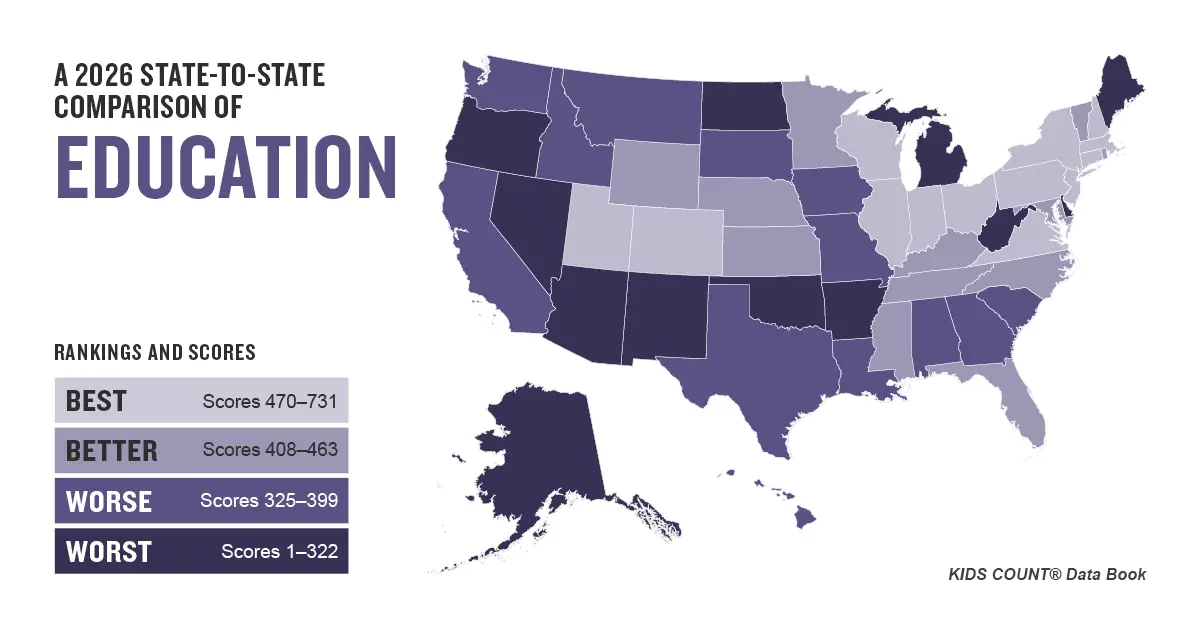
Arkansas children have the best chance to thrive when they have quality education, including during their early years. Education is one of the four KIDS COUNT Data Book domains in overall child well-being and is measured by four indicators. This year’s Data Book highlights continued struggles in our state to meet the needs of families with young children, particularly in the percentage of 3- and 4-year-old children not enrolled in school.
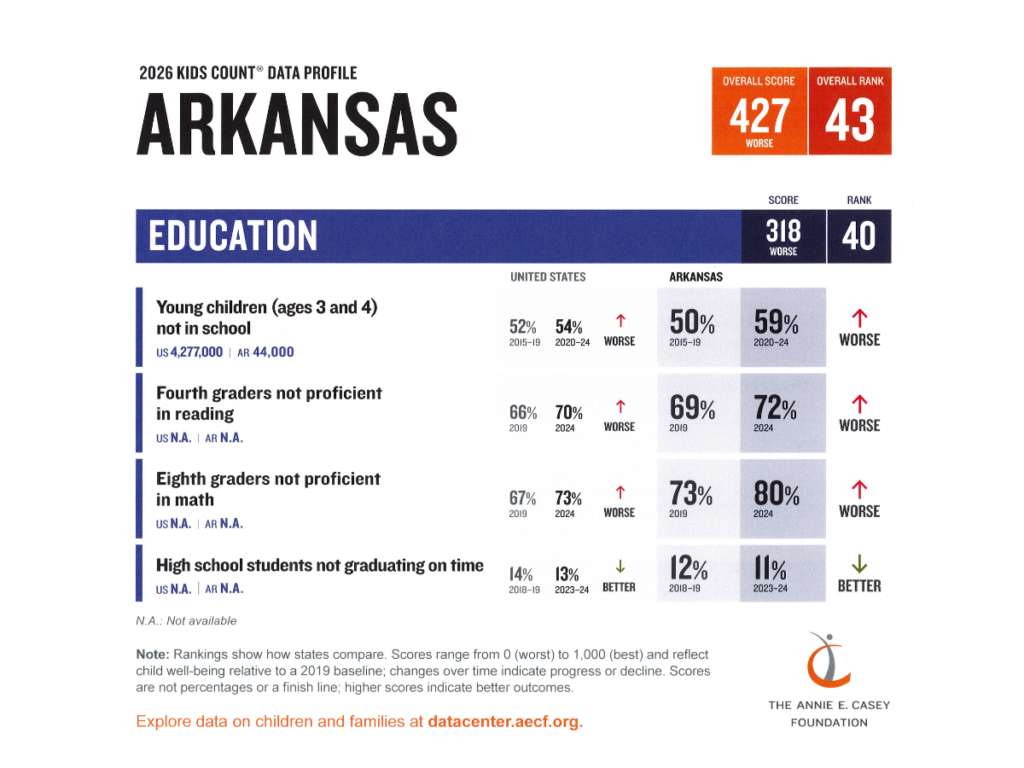
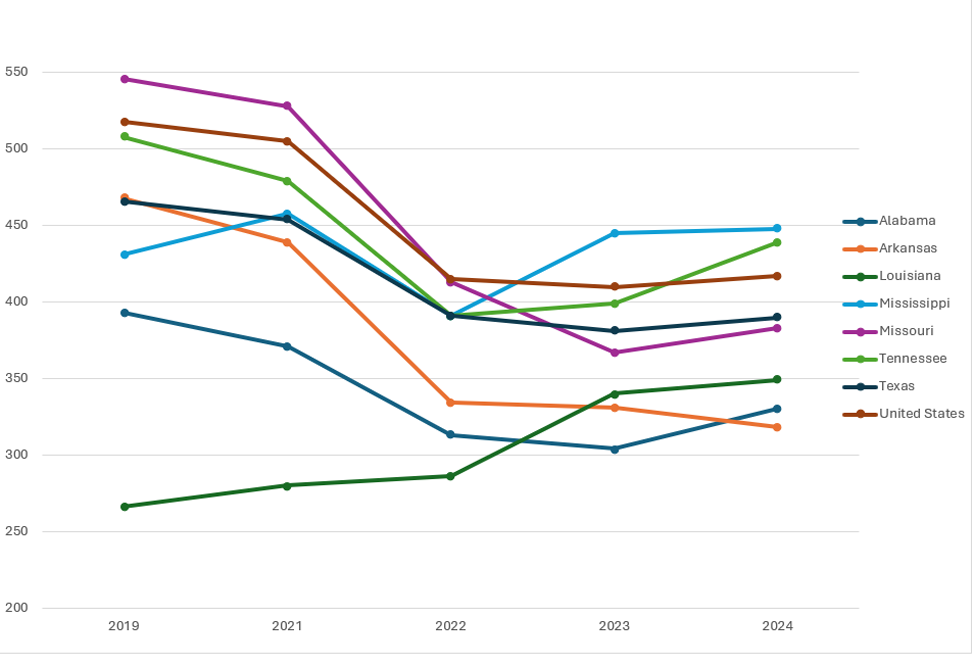
For the first time, each domain now includes a numerical score, in addition to the state rankings you’re used to, which helps show how much room for improvement a state has, in addition to comparisons with other states. Since 2019, the last year before the COVID-19 pandemic, our education ranking dropped from 32nd to 40th. Our education score also has declined since 2019, largely driven by a higher percentage of 3- and 4-year-olds not in school. When compared to nearby states, Arkansas is the only state to decrease in its education score since last year.
KIDS COUNT Data Book Education Scores: A comparison of Arkansas and Nearby States
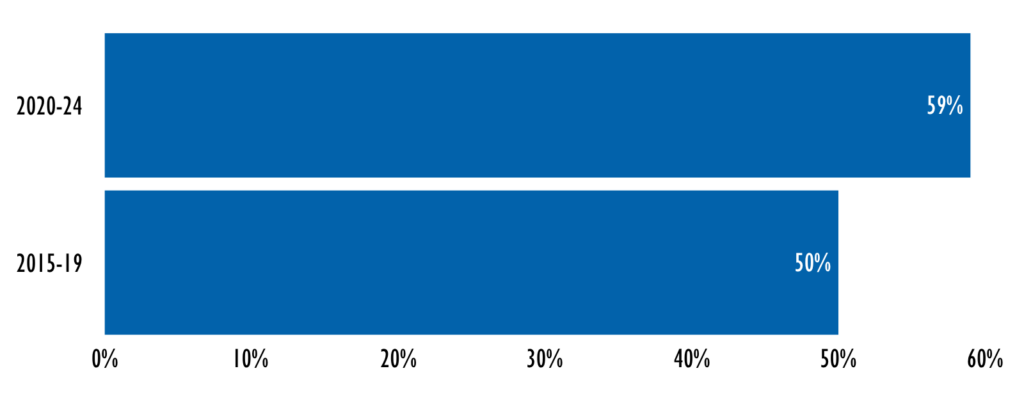
Since 2019, the percentage of young children not in school has increased by 18%. Due to small sample size, these data are based on five-year American Community Survey responses to increase the accuracy of the estimates.
Percentage of 3- and 4-year-olds not enrolled in school
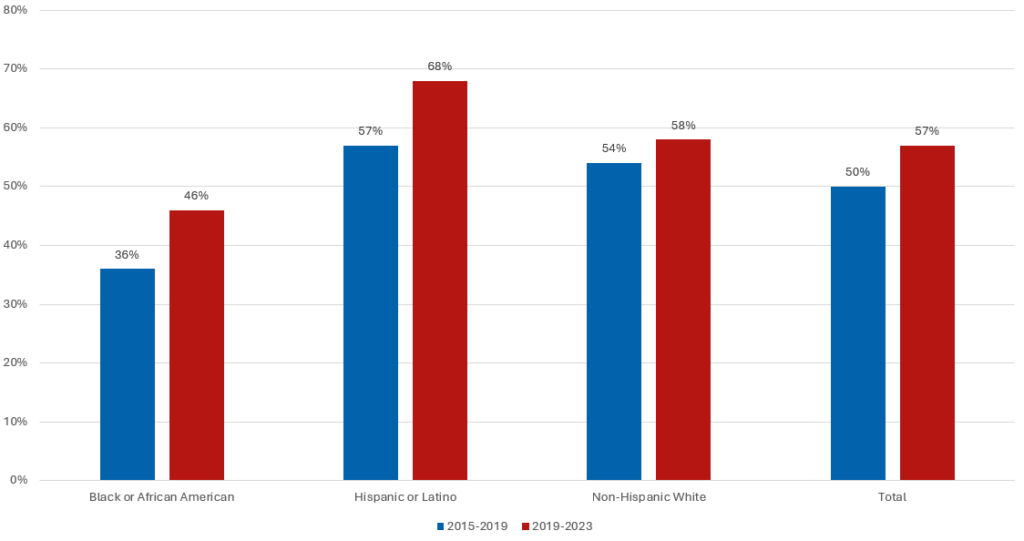
An analysis of the percentages broken down by race and ethnicity shows Hispanic children are less likely to be in preschool than their Black and White peers. This disparity is expected to grow as immigration enforcement activities have had a chilling effect on young children attending their child care and preschool programs. Data is suppressed due to confidence levels for multiple categories in the 2020-2024 data, so 2019-2023 is used instead.
Young Children Not in School in Arkansas by Race and Ethnicity
Digging deeper into the percentage of 3- and 4-year-olds not enrolled in school requires a consideration of post-pandemic trends, affordability, and access. A nationwide survey from the National Institute for Early Education Research (NIEER) found the top two reasons children were not enrolled in preschool in the fall of 2022 were having one parent at home and the cost and lack of affordable options. The purpose of that survey was to measure trends of returning preschool enrollment to pre-pandemic levels, but the information is still helpful today. Of course, some families may choose to keep their 3- and 4-year-olds at home or send them to informal care with a relative. However, the data depicts a systemic barrier to preschool enrollment, as evidenced by the same data point being measured over time through KIDS COUNT and the estimated 66% of Arkansas families with all adults working outside the home.
Affordability
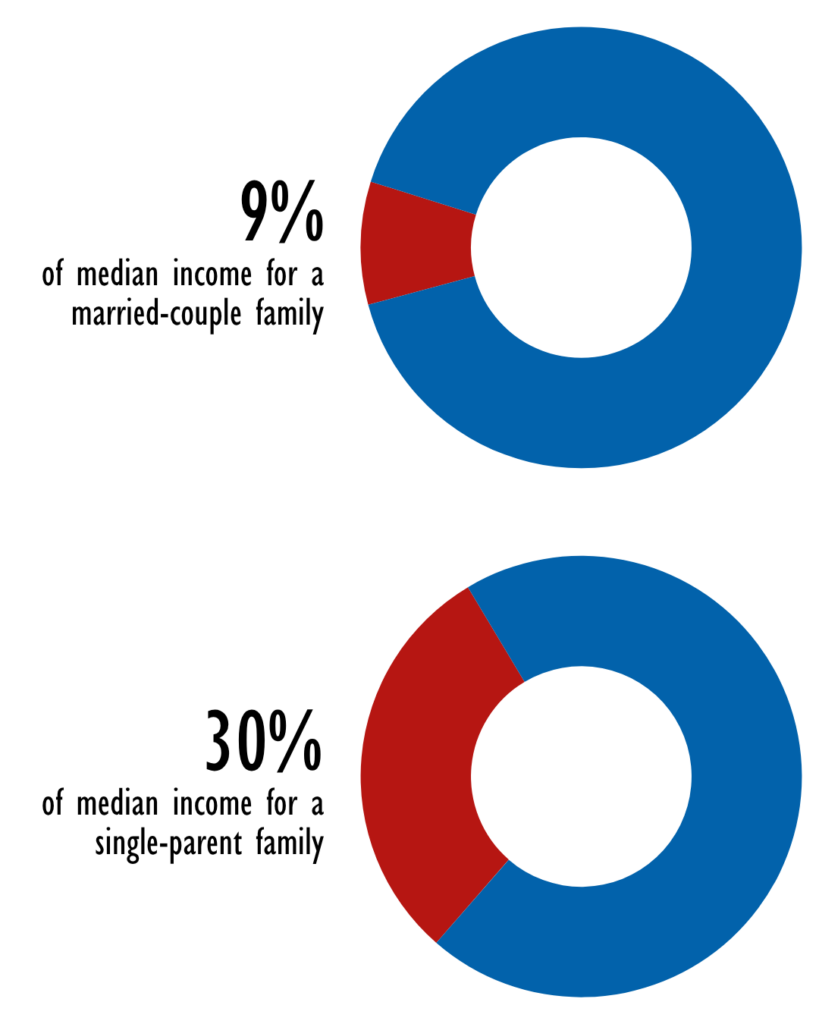
When compared to other household expenses, child care often has the highest price. In Arkansas, annual care for two children is $18,257, compared to $16,140 for housing and $10,505 for in-state college tuition. For most age groups, the price of child care is higher than what is considered affordable, comprising 9% of a married couple’s income and 30% of a single parent’s income. Child care affordability and access are supported by public funding through the School Readiness Assistance (SRA), Arkansas Better Chance (ABC), and Head Start and Early Head Start programs. These programs are vital to provide child care and early learning opportunities for all families in our state, not just those who can afford it. Unfortunately, the SRA program that helps eligible families enroll their kids at child care at an approved provider of their choosing faced steep changes last fall due to funding shortages, impacting families, providers, and the child care community as a whole. An analysis by the Office of Education Policy at the University of Arkansas found almost half of participating families are required to pay more under the new copayment system, with roughly 45% of families being charged copayments who were not paying anything previously. This change shifted a cost burden of $24.8 million onto Arkansas families.
Accessibility
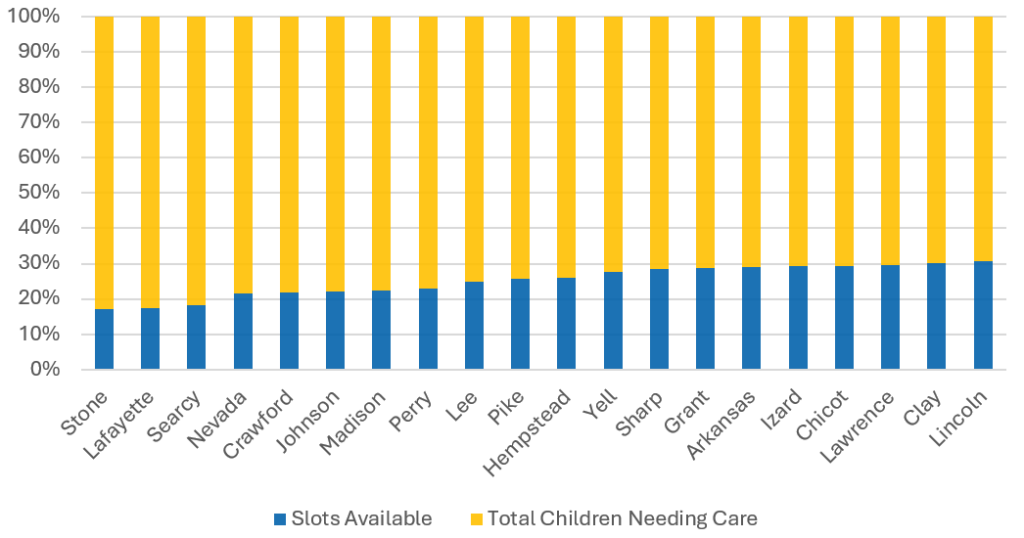
A recent report commissioned by Forward Arkansas and prepared by All Children Thrive includes important information about access to early education opportunities for children in our state. The analysis found 50 Arkansas counties have a gap of 40% or more between children under age 5 and the number of available regulated child care seats. The counties with the widest gap in ECCE access are depicted in the bar chart.
Arkansas Counties with Highest Child Care Gap
The Path Forward
In a political landscape rife with messaging about increasing school choice options for parents and duplicating the “Mississippi miracle” in third grade literacy, the connection must be made to early learning. Most counties in our state face a shortage of early learning options, even though it’s the most critical time of development in a child’s life. Families of young children need choices, and many have none at all. To truly address third grade literacy, we must create those foundational opportunities for 3- and 4-year-olds. The best path forward for Arkansas kids is to address access and affordability of early childhood care and education through strategic state investments and policies that support the early childhood workforce.