
Ripple Effects of Proposed SNAP Cuts: The Connection Between Reductions to SNAP and Child Welfare Involvement
Even without cuts to SNAP, Arkansas has the highest food insecurity rate in the country at a rate of 18.9%.

Even without cuts to SNAP, Arkansas has the highest food insecurity rate in the country at a rate of 18.9%.

Cuts to Medicaid and SNAP would increase hardship and deepen the effects of poverty at a time when many Arkansas families already struggle to put food on the table and afford health insurance, child care, and housing.
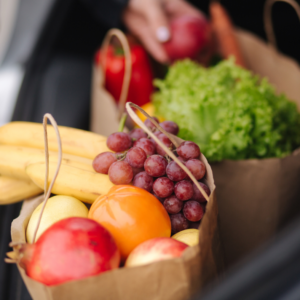
Arkansas is participating in the Federal Summer Electronic Benefits Transfer (EBT) Program for the second year in a row.
If there is one thing I am certain of, it is that everyone is entitled to food choice autonomy. This includes choice for families participating in the Supplemental Nutrition Assistance Program (SNAP, formerly known as food stamps). Families know...
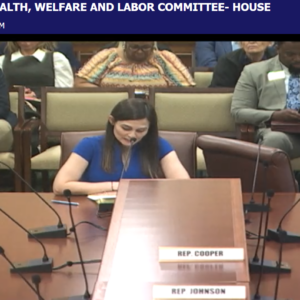
About the Bill SB217 | Sen. Clint Penzo and Rep. Mary Bentley | Senate Committee on Public Health, Welfare and LaborThis bill would require the Department of Human Services (DHS) to request a waiver that would allow Arkansas to...
This bill would help reduce hunger in our state while also allowing families to build self-sufficiency.

Shifting responsibility to the states for the cost of food benefits will make SNAP access and benefits more uneven — if available at all.

It’s a no-brainer that students will learn better when their bellies are full.

The budget proposals would be extremely harmful. And they do nothing to fulfill elected officials’ promises of easing economic burdens or bringing down the price of groceries.
Arkansas is one of 35 states that agreed to participate in a new federal program this year designed to combat childhood hunger. Summer EBT (electronic benefits transfer) is designed to reach low-income families. Those children who receive SNAP or...