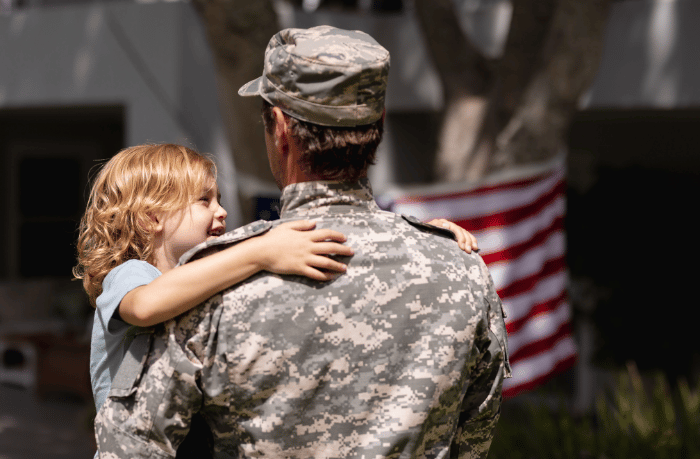
Nearly 200,000 veterans live in Arkansas. Of those here now, more than 5,000 served in the 1940s, and about the same number served in the Korean War. And Arkansans have served in every war and through peacetime since. In fact, Arkansans have not hesitated to serve, as the state is “overrepresented” in the military. In other words, based on population, a larger percentage of Arkansans are veterans than are Americans for the nation as a whole.
Armistice Day began more than 100 years ago, in 1919, as a celebration of the end of World War I. In 1938, the U.S. Congress made November 11 a federal holiday, originally dedicated to World War I veterans. And in 1954, following the end of World War II and the Korean War, Congress amended the official act, replacing “Armistice” with “Veterans” to honor all American veterans.
On Veterans Day it is important to remember those who have served, and to thank them. It is also important to recognize that the past few years have been difficult for our veterans. Veterans make up roughly 30% of the federal workforce. The Trump Administration’s deep cuts to personnel — beginning with Elon Musk’s “DOGE” efforts — have slashed 16,000 veterans from the federal workforce. Most of the cuts happened outside of Washington, DC, as 98.4% of federal employees live across the 50 states.
Nowhere is this more evident than the Department of Veteran Affairs (VA). The Trump Administration cut 28,000 VA employees, including nurses, medical officers, psychologists, social workers, and people tasked with evaluating veterans’ claims for benefits. Here in Arkansas, the VA has lost 490 employees, or 7.2% of the workforce. This hurts our veterans in two ways: not only were veterans among those “downsized,” the VA health centers are not as equipped to serve those who served us.
Among veterans in Arkansas, about 20,000, or 11%, live in poverty. Nearly 17,000, or 9%, rely on the Supplemental Nutrition Assistance Program (SNAP) to feed themselves and their families. Still, more than 6% have skipped meals because of lack of sufficient funds or have struggled to pay the mortgage or utility bills.[1] Changes brought on by the federal Reconciliation Bill (H.R. 1) will lead to increased hardships for many of our veterans.
The good news? Many of the tools and policies available to state lawmakers to help our most vulnerable neighbors would also help veterans who are struggling. Meeting the state’s cost-share obligations for SNAP, and removing the SNAP asset limits, would make sure veterans have enough food while allowing them to build savings. Childcare subsidies and a tax credit for families would ensure veterans with children can meet their loved ones’ needs. Affordable housing initiatives would ensure veterans can live safely. Adequate funding for senior centers and programs such as “Meals on Wheels” would better serve older veterans in the Arkansas communities where they live.
On this Veterans Day, let’s thank those who served and protected us. But let’s also commit to public policy and programs that ensure Arkansas veterans live healthy, happy, and fulfilled lives.
[1] AACF analysis using 2024 U.S. Census Survey of Income and Program Participation (SIPP) microdata.