
Introduction
Importance of Health Insurance
Every Arkansan wants children in the state to grow up healthy, safe, and well-equipped with the resources they need to thrive. For more than two decades, Arkansas has expanded access to child health coverage as a cornerstone of child well-being. Programs like ARKids First have helped hundreds of thousands of Arkansas families gain access to the care they need, making the program one of the most impactful children’s health initiatives in Arkansas’s history. Our commitment to insuring children once made Arkansas a national leader in children’s health insurance, highlighting a shared understanding that access to care is essential for a bright future for our children.
Health insurance access doesn’t just mean kids can see a doctor when they’re sick, but it also allows access to routine checkups, developmental screenings, and essential vaccinations. This access improves health outcomes, bolsters educational success, and supports long-term well-being. Coverage helps families access the care they need when they need it, avoid medical debt and protect their financial security, and maintain consistent relationships with healthcare providers. Investing in children’s health is an investment in the future of our state.
But the progress covering Arkansas’s children and families has been trending in the wrong direction since 2016. Arkansas’s uninsured rate for children remains at the highest level seen in more than a decade, and too many eligible children are still losing coverage unnecessarily. At the same time, families are facing a rapidly changing healthcare landscape. The passage of H.R. 1 and the largest cuts to Medicaid in the program’s history are expected to create new instability across the health system, with ripple effects that will impact children and families for years to come. As Arkansas continues to face challenges in maternal health, growing mental health needs, and barriers to care, keeping families insured is more important than ever. The work ahead is not only to protect coverage in the short term, but to think long term about how Arkansas can change the trajectory for children and families and prepare for the challenges on the horizon.
Introduction to the Data
This data report examines the uninsured rates among children and adults in Arkansas. The data presented will cover children ages 0-18 and adults ages 19-64. Data was sourced from the U.S. Census Bureau American Community Survey (ACS), Public Use Microdata Sample (PUMS) analysis from the Population Research Bureau, the Arkansas Department of Human Services, and Georgetown Center for Children and Families. There may be minor differences in percentages between ACS data and PUMS data analyses.
Key Report Takeaways
- Arkansas’s child uninsured rate remains at its highest level in more than a decade. In 2024, 7.7% of Arkansas children were uninsured, representing 56,904 children without coverage. Arkansas now ranks 40th in the nation for children’s health coverage, continuing a steady backslide from the historic low of 4.1% reached in 2016.
- ARKids First continues to be the foundation of children’s coverage in Arkansas. More than 340,000 children are enrolled in ARKids A and B combined, making Medicaid and the Children’s Health Insurance Program (CHIP) the largest source of children’s health coverage in the state. However, enrollment data show continued month-to-month instability, particularly among lower-income families.
- Children in low-income working families face the greatest risk of being uninsured. Children in households between 100% and 200% of the Federal Poverty Guideline had the highest uninsured rate at 9.2%, higher than children living below the poverty level. These findings reflect how families with incomes slightly above eligibility thresholds can still struggle to afford private coverage.
- Hispanic, immigrant, and non-English-speaking children continue to face major barriers to coverage. Hispanic children had the highest uninsured rate of any racial or ethnic group at 13.9%. Foreign-born children were more than seven times more likely to be uninsured than U.S.-born children, and 17.4% of children in households where a language other than English is primarily spoken lacked coverage.
- Access to health coverage remains deeply tied to income, education, and employment for adults. Adults with lower incomes and lower levels of educational attainment experienced the highest uninsured rates in Arkansas. Many uninsured adults are working, including in low-wage, seasonal, or gig-economy jobs that do not offer affordable health insurance.
- Women of childbearing age continue to experience significant coverage disparities. In 2024, 13.4% of Arkansas women ages 15 to 45 were uninsured. Non- Hispanic Black, Hispanic, and Non-Hispanic Other women all experienced higher uninsured rates than White women, with more than one-third of women categorized as Non-Hispanic Other lacking coverage. Arkansas also remains the only state that has not extended postpartum Medicaid coverage to a full year after pregnancy.
- H.R. 1 is expected to create new barriers to coverage and care for Arkansas families. The law includes historic Medicaid cuts, new administrative hurdles, and the expiration of enhanced Marketplace subsidies, all of which are projected to increase uninsurance in Arkansas over the next decade.
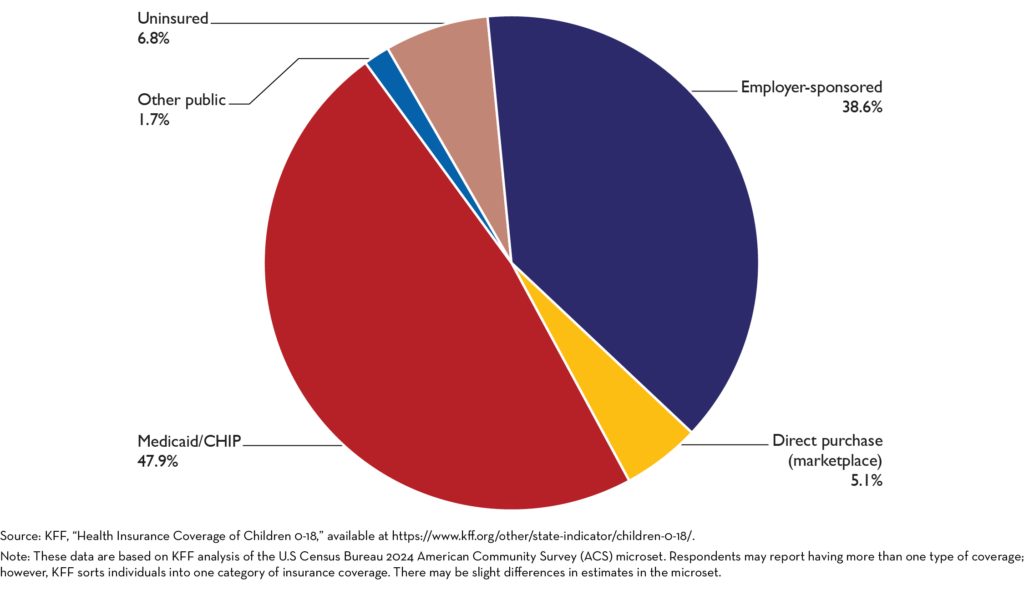
Figure 1. Sources of Children’s Coverage, 2024
Children’s access to coverage
Ten years ago, our state’s uninsured rate was lower than the national average. Arkansas achieved the highest rate of children’s coverage in Arkansas history in 2016, with almost 96% of children covered by some form of health insurance. In the past decade, we have reversed that progress, and the uninsured rate for children has been slowly climbing. The gap between Arkansas and the national average of uninsured children continues to widen, with Arkansas now ranking 40th in the United States.1
Children in Arkansas get their health coverage from many different sources. These sources include private insurance through a parent or guardian’s job, plans purchased directly from the insurance marketplace, and Medicaid/CHIP (known in Arkansas as ARKids First). ARKids First covers more children than any other insurer in our state, which means that supporting and strengthening this program can make a huge difference for Arkansas children’s health.
What’s in a name?
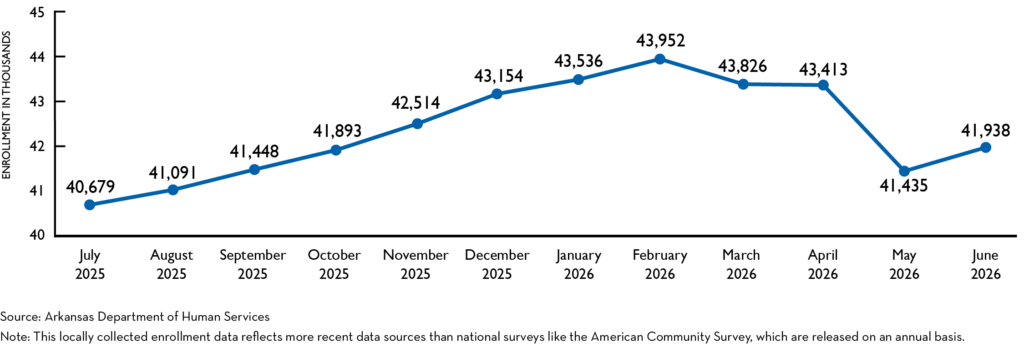
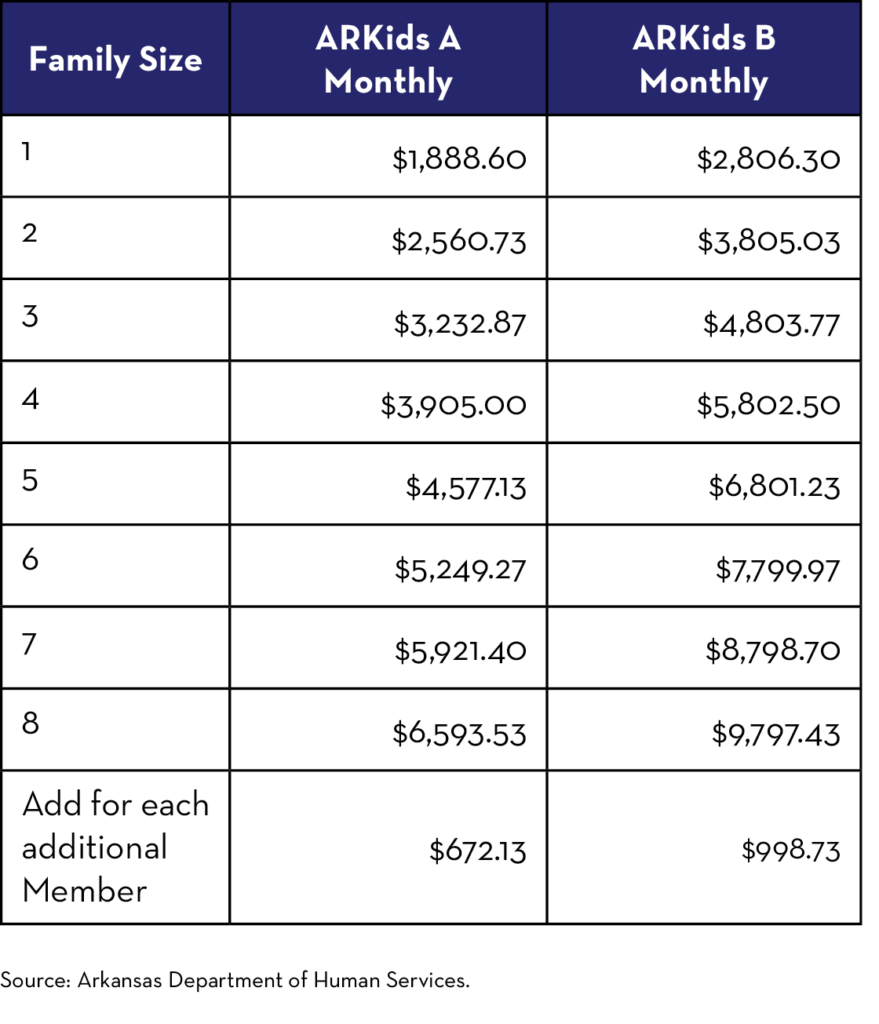
In June 2026, the enrollment for ARKids A was 298,621 and 41,938 for ARKids B. ARKids A covers children ages 0-18 with household incomes from 0% to 147% of the Federal Poverty Guideline (commonly known as the federal poverty level). For children in households with incomes from 142% to 216% of the poverty level, ARKids B is available. Both ARKids A and B cover preventative, routine, and emergency care for Arkansas’s kids, but there are a few differences. ARKids A has no out-of-pocket costs for health services, while those covered by ARKids B pay out-of-pocket costs up to 5% of the family’s gross annual income before taxes.
For example, if a household has a gross annual income of $60,773, approximately the median household income in Arkansas in 2024 dollars, its annual out-of-pocket costs would be capped at $3,038.65 ($60,773 × 0.05 = $3,038.65). Families with children insured through ARKids B usually pay $10 co-pays for many covered services. See Appendix A for full income eligibility information.
Figure 2. ARKids First Enrollment by Type
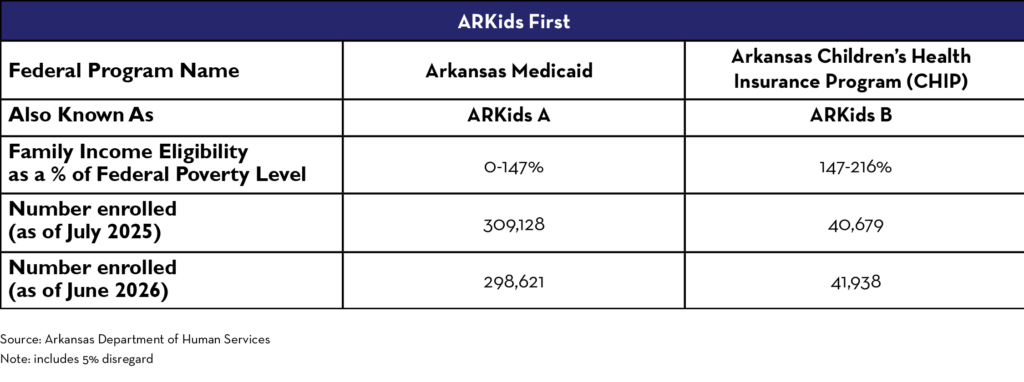
Enrollment data for ARKids First shows month-to-month changes in the number of children covered by ARKids A and B. Over the previous year, ARKids A enrollment dropped from 309,128 in July 2025 to 298,621 by June 2026, with a peak in September 2025 of 407,838. The trend was mostly the opposite in ARKids B, which covers children in families up to 216% of the poverty level. Enrollment rose from 40,679 in July 2025 to a peak of 43,952 in February 2026 before returning to 41,938 in June 2026. These shifts reflect more than just seasonal variation; they can stem from income fluctuations, changes in address, or challenges completing renewal paperwork. However, since January 2024, federal law has required states to provide children with 12 months of continuous eligibility in Medicaid and CHIP, helping reduce coverage losses caused by temporary changes in income or administrative barriers. National research has found that children in states with continuous eligibility experience lower rates of disenrollment and churn than children in states without the policy.2
Figure 3. ARKids Part A Enrollment, July 2025 to June 2026

Figure 4. ARKids Part B Enrollment, July 2025 to June 2026
While continuous eligibility may help explain greater stability in ARKids B enrollment, Arkansas’s publicly available enrollment data do not show how many children transitioning out of ARKids A are subsequently enrolled in ARKids B. At renewal, children whose family income has increased above the ARKids A limit but remains within the ARKids B limit may transition between the two programs while maintaining coverage. Arkansas Department of Human Services data on these transitions would provide a clearer picture of how much of the change in ARKids A enrollment reflects children moving into ARKids B rather than losing coverage altogether.3
While federal law continues to require 12 months of continuous eligibility for children, the U.S. Centers for Medicare and Medicaid Services (CMS) announced in July 2025 that it does not anticipate approving new or extending existing Section 1115 waivers that provide continuous eligibility beyond the federally required 12 months. This limits states’ ability to adopt or maintain multi-year continuous eligibility policies that could provide additional protection against coverage disruptions for children.
Arkansas’s Uninsured Children
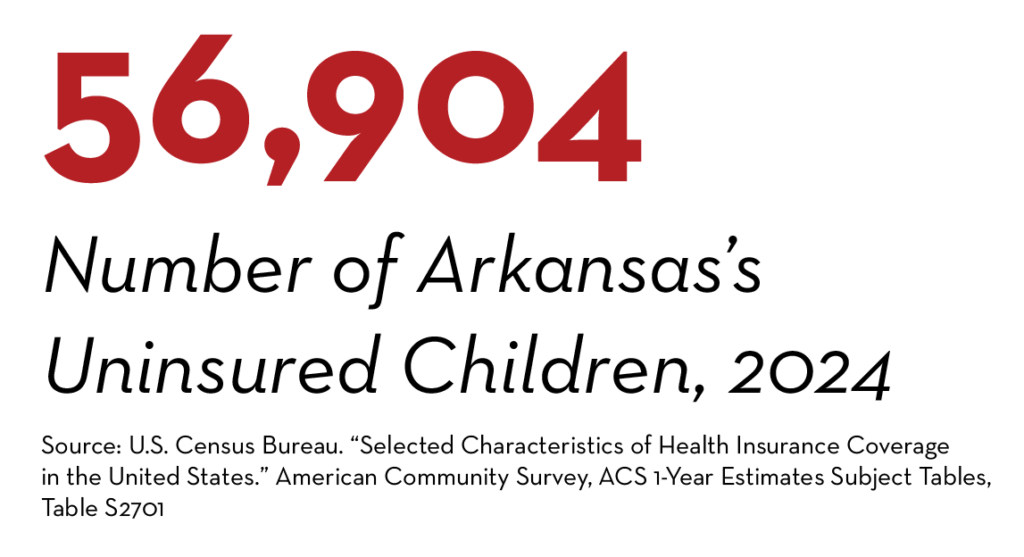
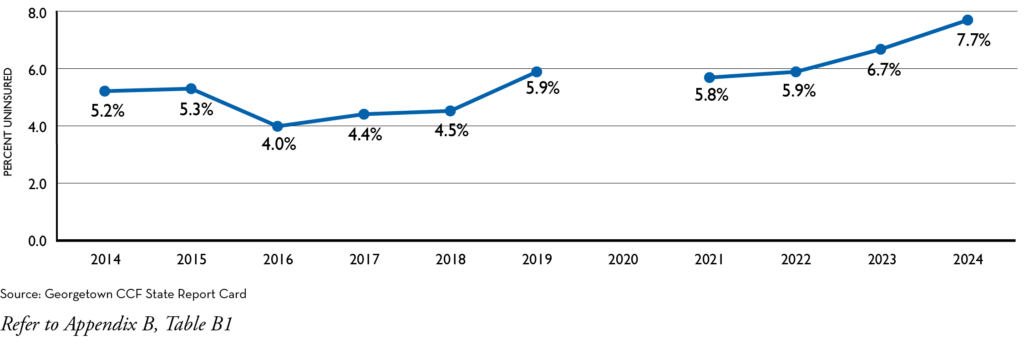
The uninsured rate among all children in Arkansas has gradually escalated over the past several years after dropping to a record low of 4.1% in 2016. Because of data quality issues related to the COVID-19 pandemic, the Census Bureau did not publish one-year estimates for 2020. In 2024, the percentage of uninsured children in Arkansas increased to its highest number in the past decade at 7.7%, with the number of uninsured children in Arkansas increasing from 49,874 in 2023 to 56,904 in 2024. This means that, of the estimated 284,915 Arkansas residents without insurance in 2024, about 20% were children.
Figure 5. Percent of Arkansas Uninsured Children, 2014-2024
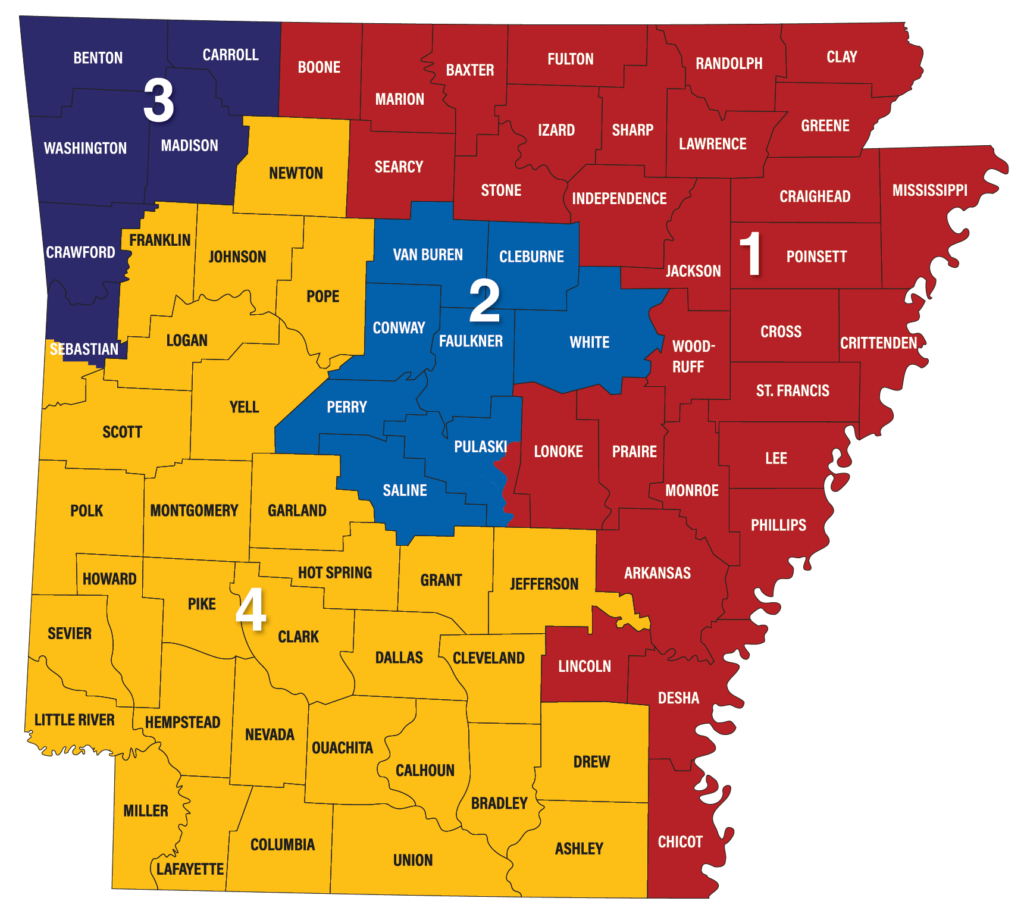
Arkansas’s four congressional districts all have children without health coverage. Our second congressional district in Central Arkansas has the highest percentage of uninsured children at 9.2%.
Figure 6. Uninsured Children by Congressional District, 2024
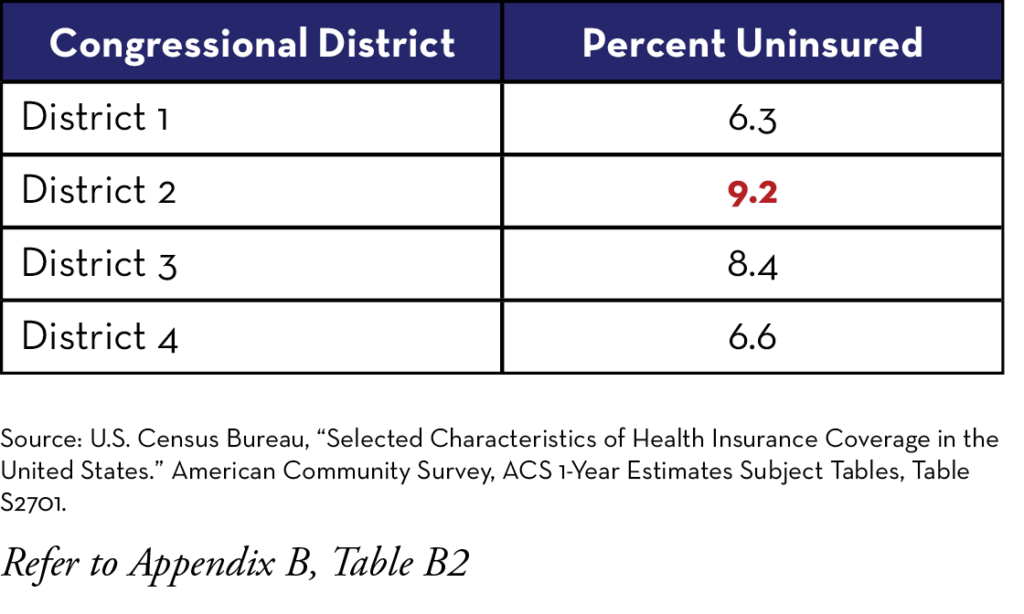
Figure 7. Congressional District Map of Arkansas
Uninsured Children by Age
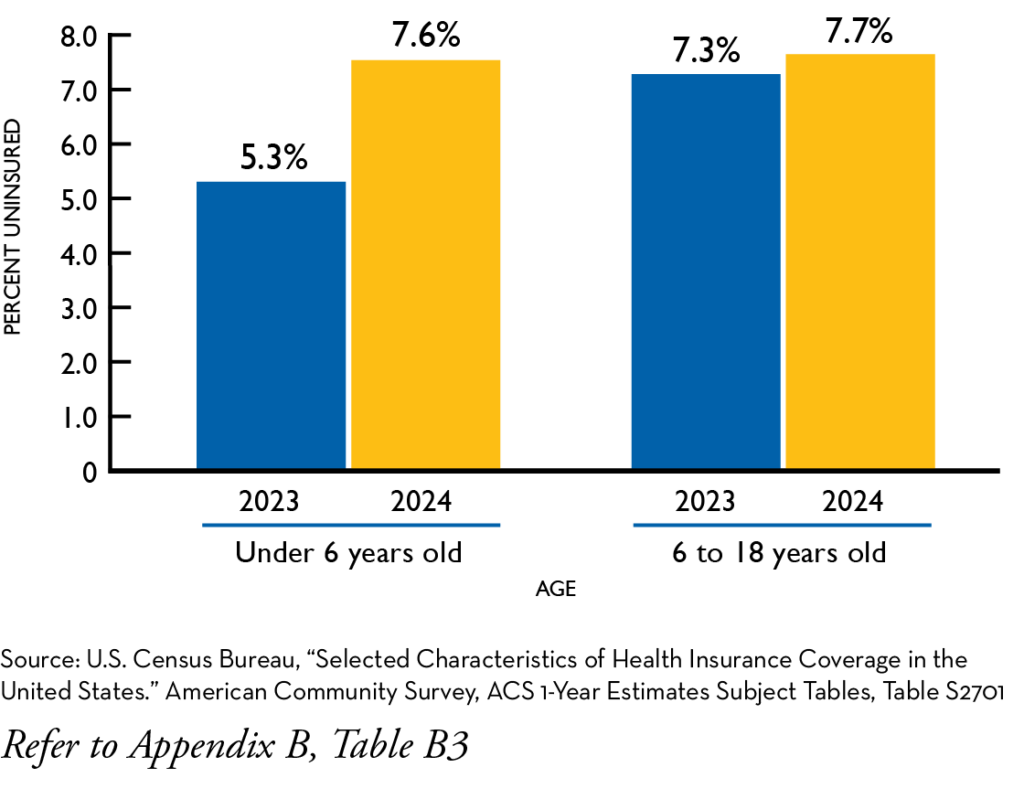
A total of 56,904 children did not have any insurance coverage in Arkansas in 2024. There were no significant differences in the uninsured rate between children under 6 and children ages 6 to 18 years old in 2024. Of children under age 6, 7.6% were uninsured, while 7.7% of children 6 to 18 years old had no coverage. Both of these rates are higher than in 2023. However, a notable difference is that the percentage of children under 6 without insurance increased significantly from 5.3% in 2023 to 7.6% in 2024 while 6- to 18-year-olds increased slightly — from 7.3% to 7.7% — during that same time.
Figure 8. Percent of Uninsured Children in Arkansas by Age Group, 2023 and 2024
Breaking down the age groups further, uninsured rates were highest among the youngest and oldest groups, with 7.6% of infants (defined as children ages 0-1) and 7.4% of youth ages 11-18 being uninsured. The uninsured rate dipped and stabilized among young children and reached its lowest rate for 6-10-year-olds. This pattern suggests the need for early intervention to ensure coverage at birth, in the first few years before preschool and kindergarten, as well as targeted efforts to keep older children and teens enrolled as they age.
Figure 9. Uninsured Children in Arkansas Ages 0 to 18 by Age, 2024

Household Income and Health Insurance Coverage
Household income plays an important role in families’ ability to access care because Arkansas does not have universal health coverage. States use the Federal Poverty Guidelines (commonly known as the poverty level) each year to determine who qualifies for safety net programs and public insurance programs like Medicaid and CHIP. Income eligibility is typically shown as a percentage of these federal guidelines.
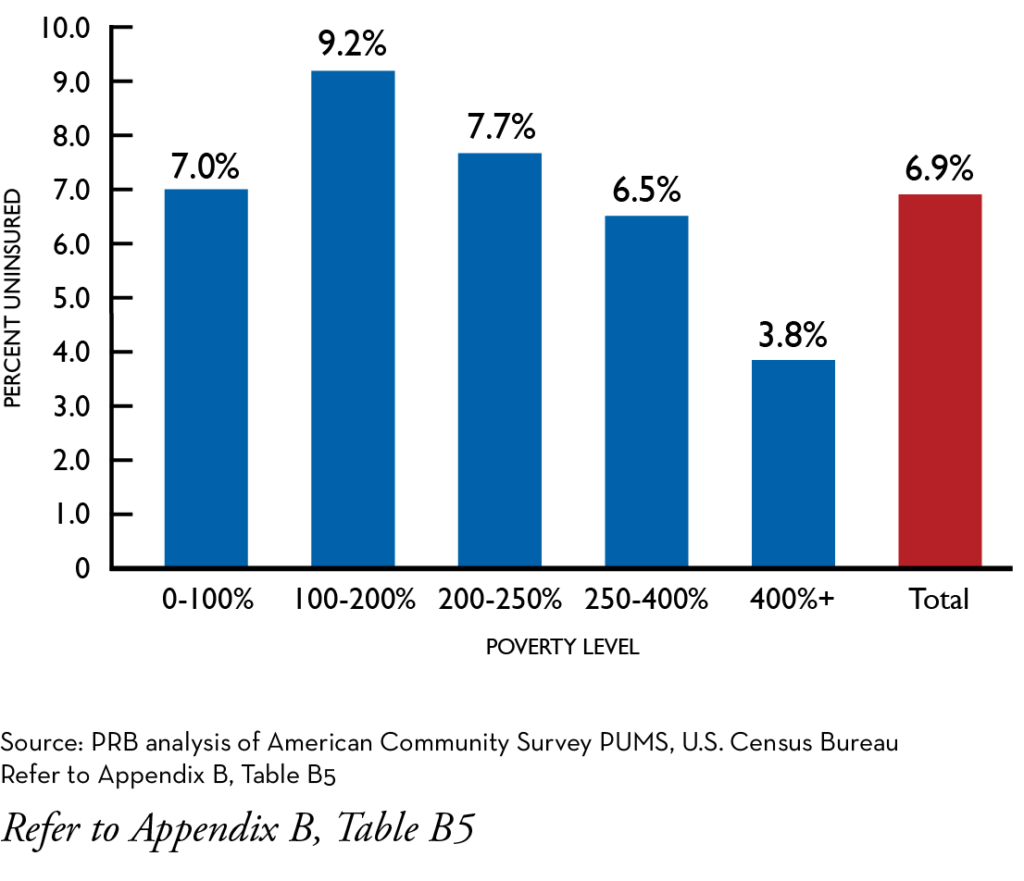
In 2024, the poverty level for a family of four was $31,200.4 Families with the highest incomes (over 400% of the poverty level) had the lowest uninsured rate, while families living between 100-200% of the poverty level were most likely to have kids without insurance in the household. In 2024, the median household income in Arkansas was $62,106 and 15.5% of Arkansans lived in poverty.5 The poverty rate is higher for children, with 21% of Arkansas children living in poverty, ranking Arkansas 7th highest in the nation for child poverty.6 Among Arkansas children whose family income level could be determined, about 6.9% were uninsured in 2024.
Figure 10. Uninsured Children in Arkansas Ages 0 to 18 by Federal Poverty Level, 2024
Race/Ethnicity, Nativity, and Household Language
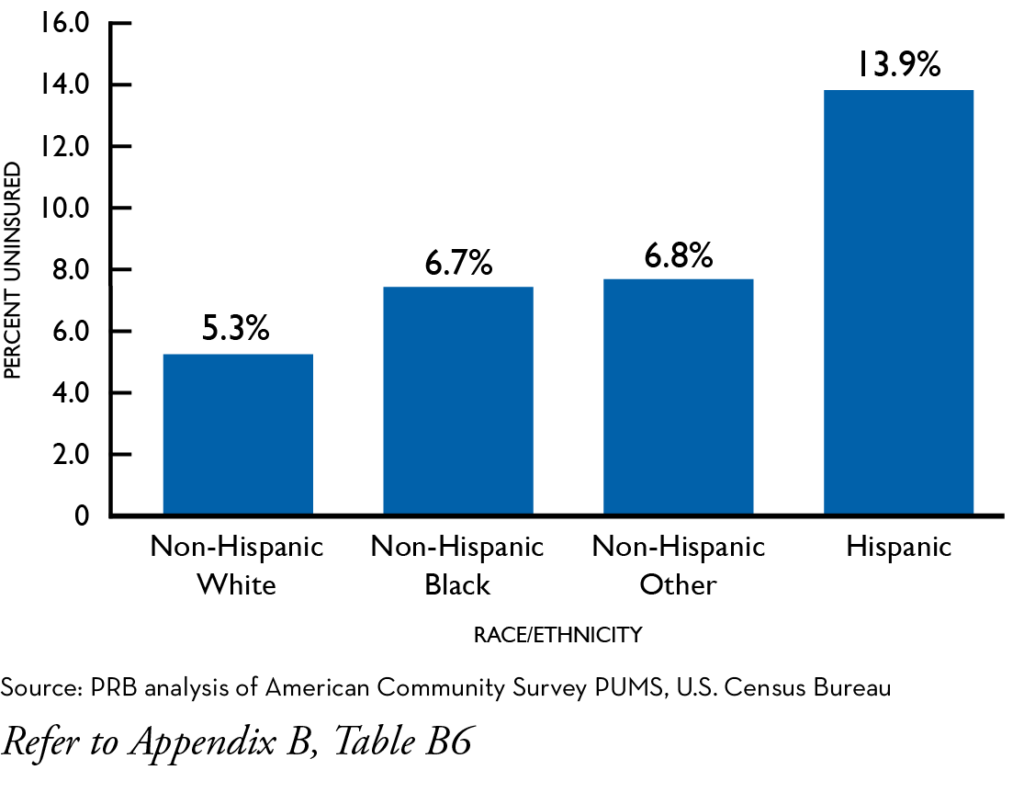
In Arkansas, White children were most likely to have health insurance. Hispanic/Latino children were the most likely to be uninsured. In 2024, 13.9% percent of Hispanic/Latino children had no insurance coverage. This percent was slightly lower than in 2023, when 16.5% of Hispanic/Latino children were uninsured. Though most Hispanic/Latino children in Arkansas are citizens who were born in the United States, their families still face obstacles to coverage that other families do not, including language barriers.
Figure 11. Uninsured Children in Arkansas Ages 0 to 18 by Race/Ethnicity, 2024
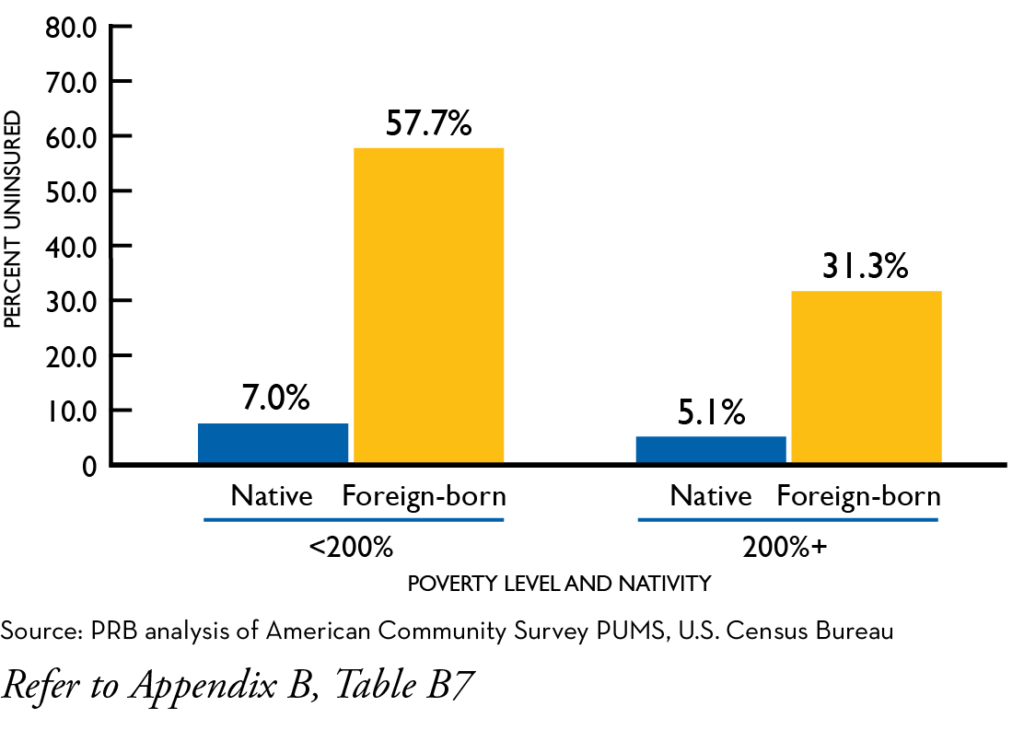
Children residing in Arkansas but not born in the United States were more than seven times as likely to go without health insurance as U.S.-born children in Arkansas in 2024. The difference also increased substantially from 2023, when 35.0% of foreign-born children were uninsured, to 44.3% in 2024. There were also vast differences in foreign-born children’s insurance by income. While 31.3% of foreign-born children living in households with incomes above 200% of the Federal Poverty Level were uninsured in 2024, 57.7% of foreign-born children living in households below 200% of the poverty level were uninsured. Because the foreign-born population is a relatively small subgroup of Arkansas’s child population, estimates for this group may be more sensitive to year-to-year fluctuations and should be interpreted with some caution.
The 2024 data also provide a fuller picture of the period following the end of the pandemic-era Medicaid continuous enrollment protections. Arkansas began its Medicaid unwinding process in 2023, and more than 151,000 children ultimately lost Medicaid coverage during the state’s eligibility review.7 The large increase in uninsurance among foreign-born children, particularly among those with incomes above 200% of the poverty level, may in part reflect the effects of this transition, although the ACS data cannot establish a direct connection between coverage losses and the unwinding. Arkansas’s Marshallese community was among the communities affected by the unwinding, with language and administrative barriers creating additional challenges for some families attempting to maintain coverage.
Figure 12. Uninsured Children in Arkansas Ages 0 to 18 by Nativity, 2024

Figure 13. Uninsured Children in Arkansas Ages 0 to 18 by Nativity and Poverty Level, 2024
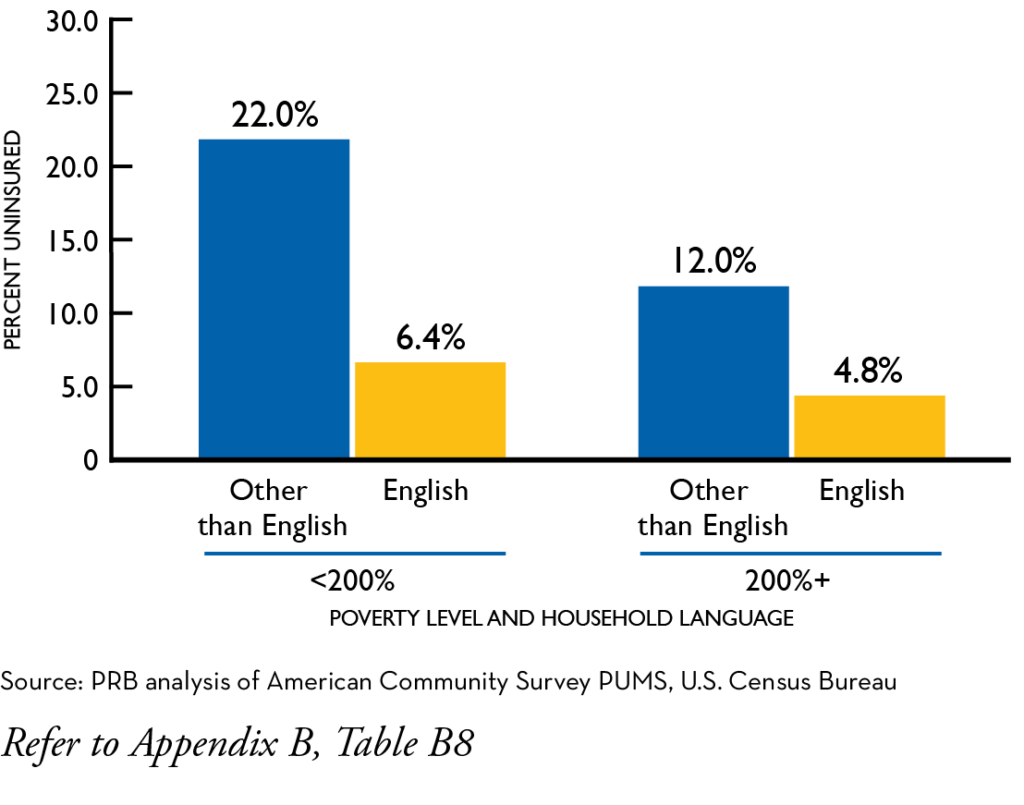
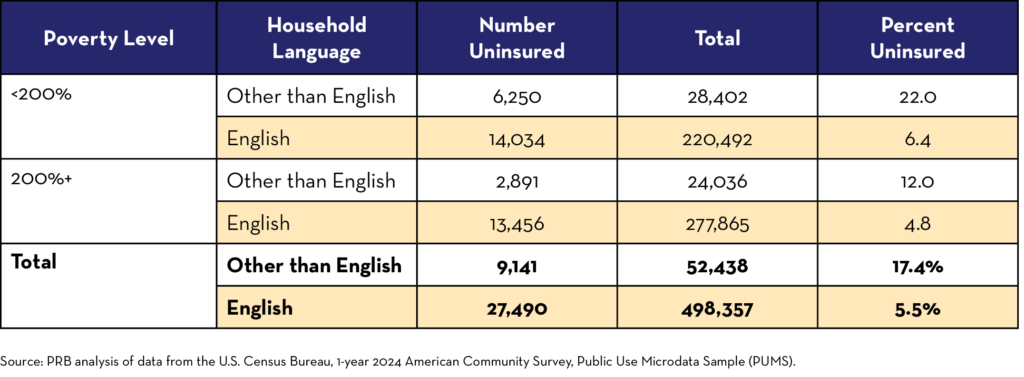
Individuals whose primary language is not English often face challenges to accessing healthcare and related supports. When materials are not provided in a family’s primary language and interpretation services are not readily available, families can face additional barriers to outreach, enrollment, and maintaining coverage, especially in communities that are not primarily English-speaking. In 2024, 17.4% of children ages 0 to 18 in households where a language other than English is primarily spoken were uninsured. While this is a decrease from 19.5% in 2023, children living in households where English is not the primary language were still more than three times as likely to be uninsured as children in households where English is the primary language.
While children in households where a language other than English is spoken have a higher overall uninsured rate, breaking the data down by income level shows a more complex picture: children who lived in lower-income households where English is the primary language were more likely to have coverage than children in higher-income households where another language was spoken. This highlights the barriers that exist for families needing coverage are not simply an issue of household income.
Figure 14. Uninsured Children in Arkansas Ages 5 to 18 by Household Language, 2024

Figure 15. Uninsured Children in Arkansas Ages 5 to 18 by Household Language and Poverty Level, 2024
Arkansas’s Uninsured Adults
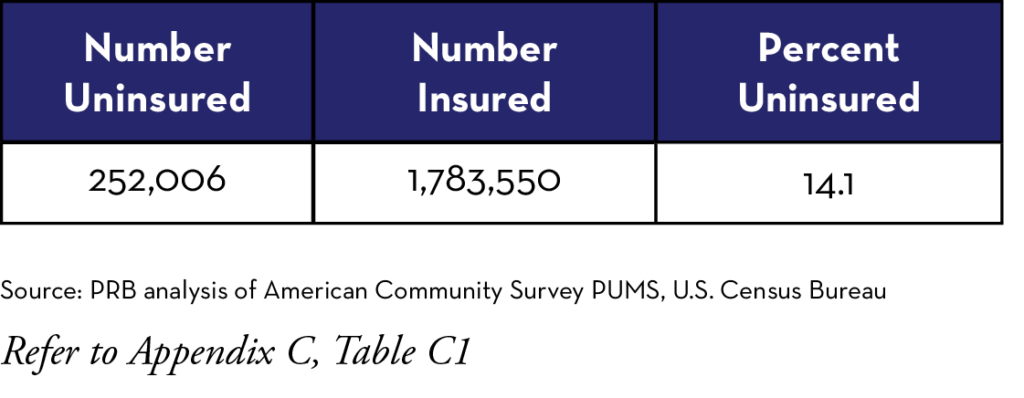
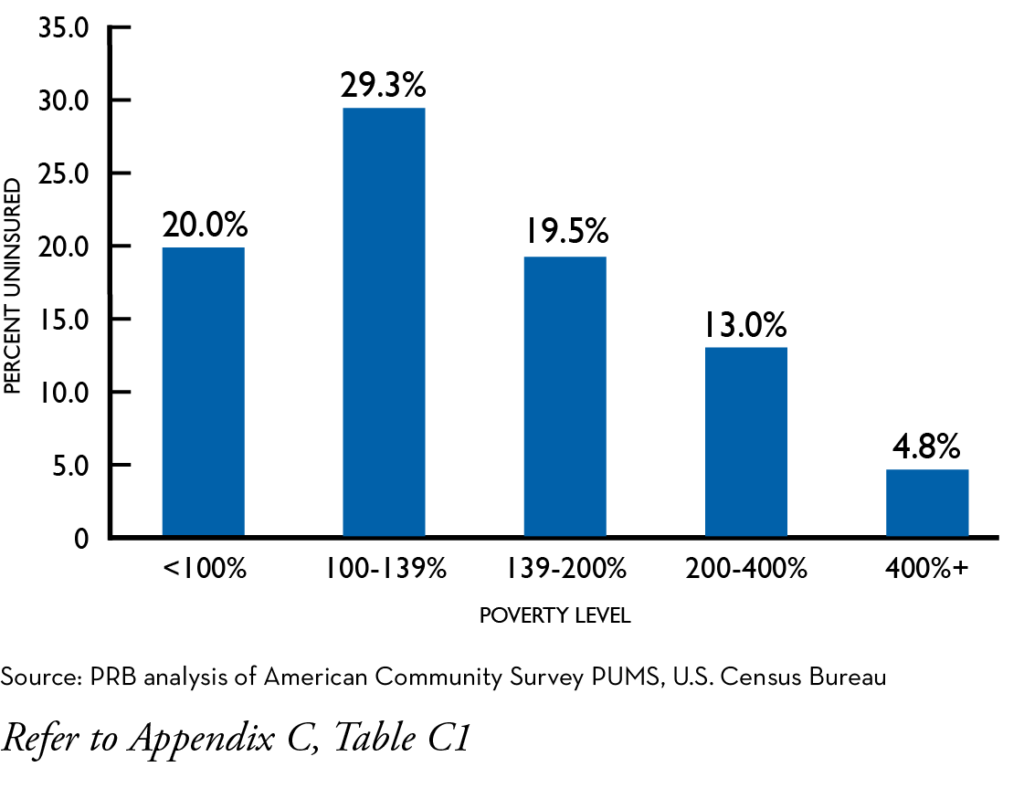
In 2024, there were about 252,006 uninsured adults in Arkansas, or about 14.1% of the population. Adults within the 100% to less than 139% income bracket were most likely to go without insurance, with 29.3% being uninsured. As expected, higher income categories had lower levels of uninsurance. While far too many adults in Arkansas still lack healthcare coverage, our 14.1% adult uninsured rate reflects more than a decade of improved coverage due to our state’s Medicaid expansion following the passage of the Affordable Care Act. Thanks to the Medicaid expansion, Arkansas decreased the number of uninsured adults nearly in half between 2013 and 2014. This policy win resulted in a marked increase in families’ access to healthcare and helped ensure that medical services remain available, especially in rural communities across Arkansas. With upcoming changes to Medicaid — including large cost shifts to the state — from H.R. 1 in 2025, there will be challenges to keeping Arkansas’s adults covered in the coming years.
The number of uninsured adults in Arkansas increased between 2023 and 2024, from 243,582 to 252,006, respectively. This data point followed the state’s “unwinding” period at the end of the COVID-19 Public Health Emergency. During 2023, approximately 184,000 people were disenrolled from Medicaid, with adults comprising roughly half of those who lost coverage.8
Including data on adult insurance coverage is important because of the “welcome mat” effect, where parents who gain coverage are more likely to enroll their children as well — highlighting how family coverage can play a key role in reducing uninsurance among children in Arkansas. Unless otherwise noted, uninsured adults include those ages 19-64.
Figure 16. Uninsured Adults in Arkansas Ages 19 to 64, 2024
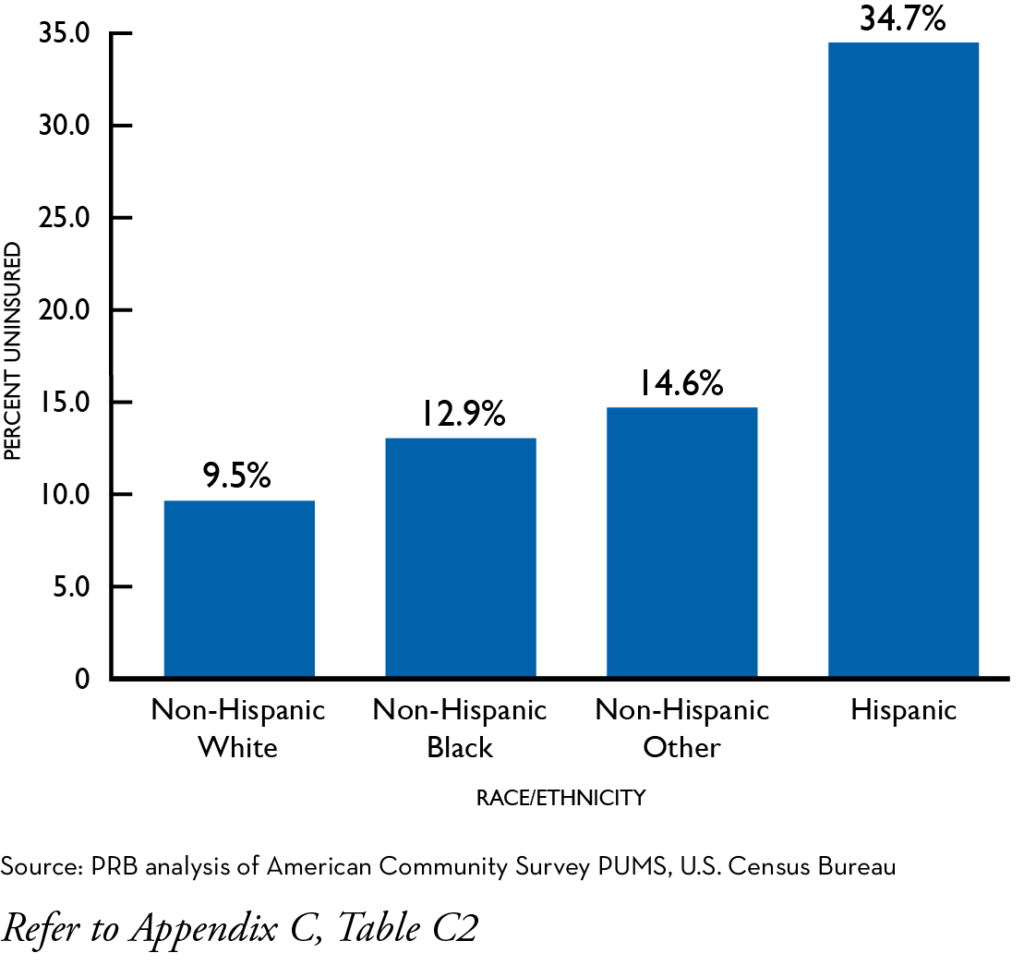
Similar to trends seen among Hispanic/Latino children, Hispanic/Latino adults in Arkansas have the highest uninsured rates when compared to other groups. More than a third of Hispanic/Latino adults in Arkansas do not have insurance coverage. Adults categorized as Non-Hispanic Other also face higher uninsured rates compared to the overall average. This group includes populations such as Marshallese residents, who were excluded from Arkansas’s Medicaid program until policy changes in 2021. Non-Hispanic White adults had the lowest uninsured rate, with 9.5% lacking coverage.
Figure 17. Uninsured Adults in Arkansas Ages 19 to 64 by Race/Ethnicity, 2024
Adults with lower incomes in Arkansas continue to face the highest uninsured rates. Nearly 3 in 10 adults with incomes between 100% and less than 139% of the federal poverty level were uninsured in 2024, the highest rate among all income groups. Adults with incomes below the poverty level and those between 139% and 199% of poverty also experienced uninsured rates near 20%, far above the statewide average. In contrast, uninsured rates declined steadily as income increased, with adults earning 400% of poverty or more having the lowest uninsured rate at 4.8%. These trends highlight the strong connection between income and access to health coverage in Arkansas.
Figure 18. Uninsured Adults in Arkansas Ages 19 to 64 by Income Level, 2024
Adults in Arkansas with lower levels of education were significantly more likely to be uninsured in 2024. Nearly one-third of adults without a high school diploma lacked health coverage, compared to 14.9% of adults with only a high school diploma and 5.6% of adults with a college degree or higher. These differences reflect the strong relationship between educational attainment, income, and access to stable jobs that offer health benefits.
Figure 19. Uninsured Adults in Arkansas Ages 19 to 64 by Education Level, 2024

Employment status also affects insurance coverage, though having a job does not always mean having access to affordable health insurance. Adults who were not working had a higher uninsured rate than those who were employed, with 16.4% lacking coverage compared to 11.8% of working adults. At the same time, many uninsured adults are working, often in low-wage, part-time, seasonal, or gig-economy jobs that do not provide health benefits. Some adults may work multiple jobs and still lack access to affordable coverage through an employer. Others may be out of work due to caregiving responsibilities, chronic health conditions, or limited job opportunities in their communities. These findings underscore how closely health coverage is tied to employment in the United States, even though access to affordable healthcare is often essential for people to maintain their health, financial stability, and ability to work.
Figure 20. Uninsured Adults in Arkansas Ages 19 to 64 by Employment Status, 2024

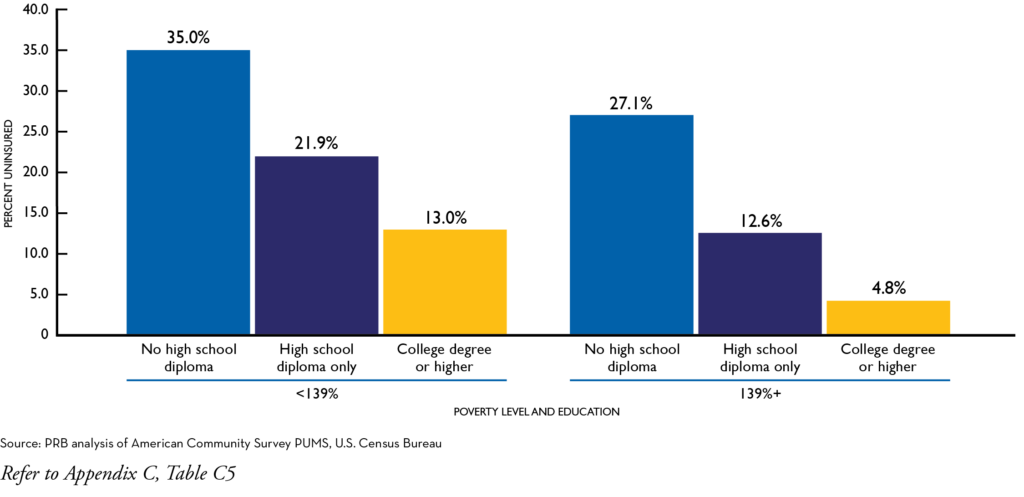
Educational attainment and income are both strongly connected to whether adults in Arkansas have health insurance coverage. Among adults living below 139% of the poverty level, uninsured rates were highest for those without a high school diploma, with 35% lacking coverage. Uninsured rates declined as education levels increased, falling to 21.9% among adults with only a high school diploma and 13% among college graduates. Similar patterns were seen among adults with incomes above 139% of poverty, though uninsured rates were generally lower overall. Even at higher income levels, adults without a high school diploma continued to experience disproportionately high uninsured rates compared to more highly educated adults. Adults without a diploma and incomes above 139% of poverty were uninsured at a rate of 27.1%, compared to just 4.8% for college graduates in the same income category. These differences suggest that income alone does not eliminate barriers to health coverage. Type of employment may also play a role, as adults without degrees may be more likely to work in jobs that do not offer employer-sponsored insurance.
Figure 21. Uninsured Adults in Arkansas Ages 19 to64 by Income and Education, 2024
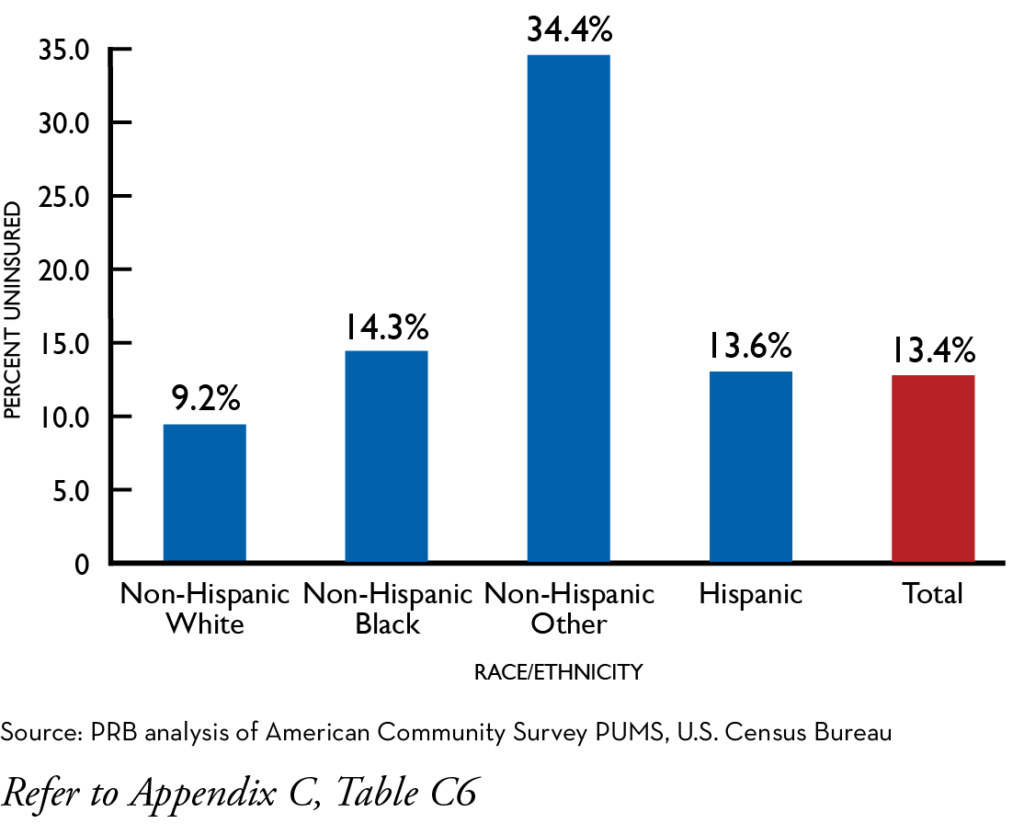
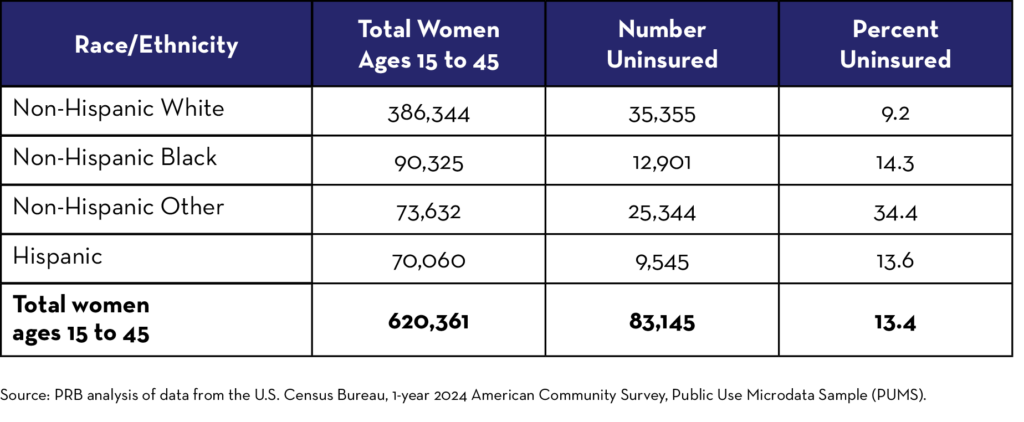
Arkansas continues to have one of the highest maternal mortality rates in the country, so insurance coverage for women of childbearing age remains an important indicator of health for families and children. The majority of pregnancy-related deaths are considered preventable, and continuous access to healthcare before, during, and after pregnancy can improve outcomes for both parents and babies. In 2024, an estimated 13.4% of women ages 15 to 45 in Arkansas were uninsured, an increase from the previous year. Gaps in coverage can interrupt access to prenatal care, postpartum care, mental health services, medications, and treatment for chronic conditions during a critical period for maternal and infant health. Arkansas remains the only state that has not yet extended postpartum Medicaid coverage to a full year after pregnancy, leaving many women at risk of losing coverage shortly after giving birth (Pregnancy Medicaid in Arkansas currently ends 60 days after birth).
Significant racial and ethnic disparities in coverage also persist among women of childbearing age. In 2024, Non-Hispanic Black women had an uninsured rate of 14.3%, while Hispanic women had a rate of 13.6%. The highest uninsured rate was among women categorized as Non-Hispanic Other, with more than one-third lacking coverage. This category includes groups such as Marshallese women, who have historically faced barriers to healthcare access and eligibility for public coverage programs. Arkansas is home to the largest Marshallese population in the continental United States, and the state’s Maternal Mortality Review Committee once again found that Asian American and Pacific Islander women experience disproportionately high maternal mortality rates. Marshallese families in Arkansas also experienced significant coverage losses during the Medicaid unwinding process, highlighting the continued need to improve access to stable coverage for women and families across the state.
Figure 22. Uninsured Women in Arkansas Ages 15 to 45 by Race/Ethnicity, 2024
H.R. 1 and the Future of Coverage for Children and Families in Arkansas
As a result of the enactment of H.R. 1 (also known as the One Big Beautiful Bill Act) in 2025, new and significant challenges for children and families’ access to healthcare in Arkansas are anticipated. H.R.1 includes the largest cuts to Medicaid in the program’s history and is projected to cause an estimated 131,000 Arkansans to lose health coverage over the next decade, while placing tens of thousands more at risk of losing insurance.9 Many of these losses are expected to result from changes to eligibility rules, the expiration of enhanced Marketplace subsidies that helped thousands of families afford private coverage, and new forthcoming administrative requirements.
The law will also increase costs for the state, potentially limiting Arkansas’s ability to maintain and strengthen programs that families rely on. New work reporting requirements and eligibility hurdles are expected to create additional barriers for families already struggling with unstable work schedules, caregiving responsibilities, transportation challenges, or limited internet access. Research consistently shows that when parents lose coverage, children are also more likely to become uninsured. At the same time, cuts to food assistance programs may increase financial strain for families, concerning as access to nutritious food and healthcare are closely connected to child health and long-term well-being. Together, these changes create significant uncertainty for Arkansas families and could further reverse years of progress in reducing uninsurance across the state.
Conclusion and Policy Recommendations
A decade ago, Arkansas reached a record low of 4% of children without health insurance. However, the state’s child uninsured rate has doubled since then to 7.7%, ranking Arkansas 40th in the nation for children’s health coverage. Further, when the data is disaggregated, notable disparities exist. Children in low-income working families, as well as Hispanic, immigrant, and non-English speaking children, tend to experience uninsurance at higher rates than others. This reversal of years of progress does not mean fewer children are eligible for healthcare coverage. Rather, the steady increase is the result of several factors including the end of the COVID-19 Public Health Emergency continuous coverage protections, family income fluctuations, a lack of investment in outreach and enrollment efforts, and administrative barriers.
To improve child uninsured rates, we cannot focus on children’s coverage alone. When parents have health coverage, research shows that their children are more likely to have health insurance as well. But the overall percentage of Arkansas’s uninsured adults also increased — from 13.5% in 2023, to 14.1% in 2024. Moreover, 29.3% of adults within the 139%-200% income bracket lacked healthcare coverage in 2024, as compared to 22.9% of adults in this income range in 2023. Like child uninsured rates, racial and ethnic disparities in uninsured rates also exist among adults ages 19 to 64, most notably among Hispanic adults, who are well over three times more likely to be uninsured as Non-Hispanic White adults. Unfortunately, new cuts to Medicaid and changes to eligibility and enrollment requirements from the federal One Big Beautiful Bill Act (H.R. 1) will likely make it more difficult for many families to maintain health coverage.
Health insurance is the key to preventative care, timely treatment, and better health outcomes. The choices policymakers make today will shape whether Arkansas continues to fall behind or begins to reverse course. Ensuring that every child has access to affordable health coverage and care is one of the most important steps Arkansas can take to create a brighter future for children and families. To meet these goals and ensure better health outcomes for children and families in our state, we urge state leaders to:
- Advocate at the federal level for CMS to reinstitute waivers for multi-year continuous Medicaid and CHIP coverage for young children after birth to protect children from losing health coverage if family income temporarily changes
- Implement presumptive eligibility for ARKids First to reduce administrative barriers and wait times for kids to get care
- Adopt 12-month postpartum Medicaid coverage to promote the health of mothers and babies
- Increase outreach and enrollment support, especially among families and communities hit hardest by upcoming changes to Medicaid; engage stakeholders, Qualified Health Plans, etc.
- Take advantage of the Medicaid application process to connect and enroll eligible families in other programs shown to support health and economic stability for Arkansas families (WIC, SNAP, TANF, etc.)
Appendix
Appendix A
Table A. ARKids First Income Eligibility as of April 01, 2026
Appendix B: Uninsured Children in Arkansas
Table B1. Uninsured Children in Arkansas, 2014-2024
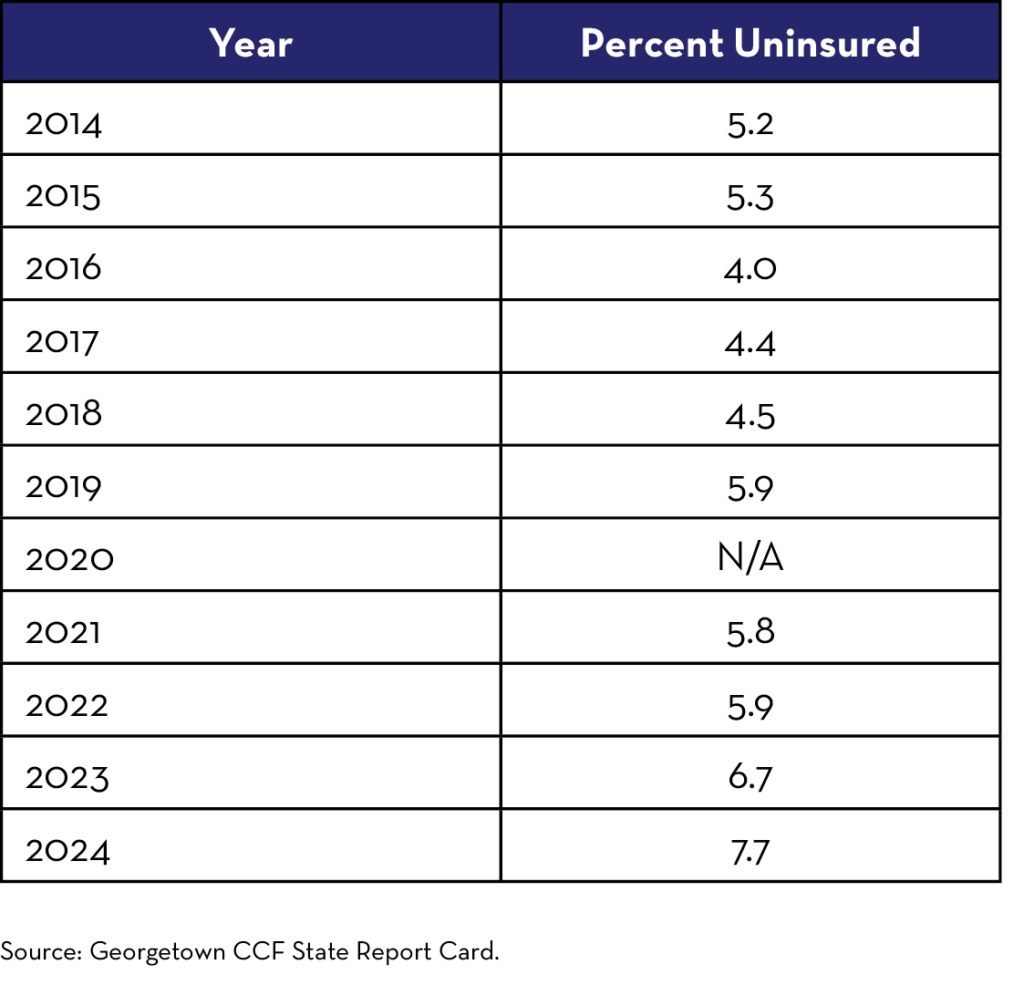
Table B2. Uninsured Children in Arkansas by Congressional District, 2024
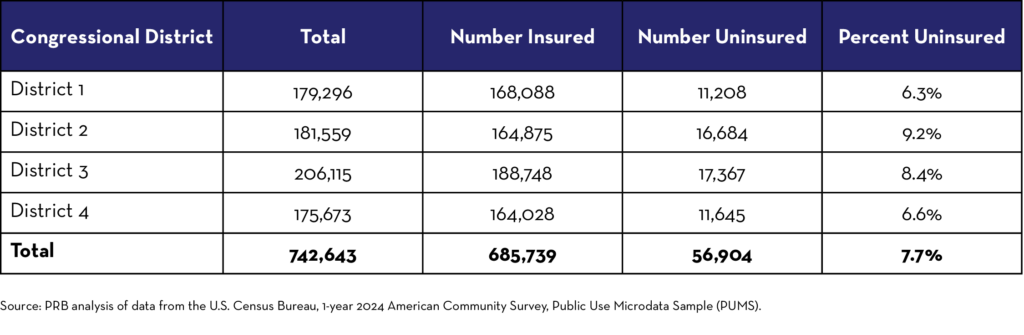
Table B3. Uninsured Children in Arkansas Ages 0 to 18 by Age Group, 2023 and 2024
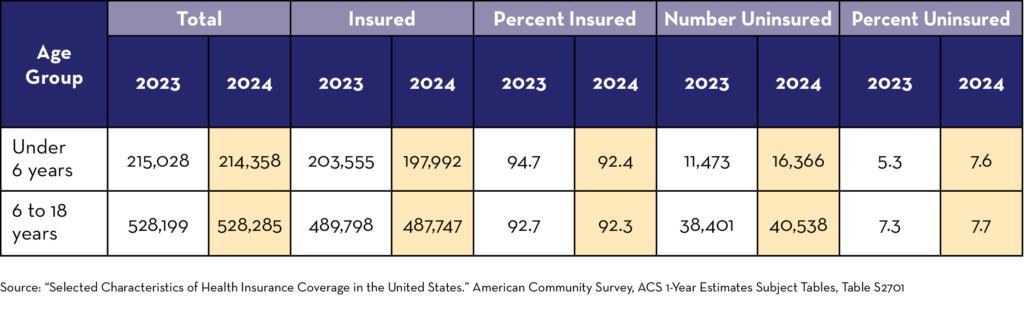
Table B4. Uninsured Children in Arkansas Ages 0 to 18 by Age, 2024
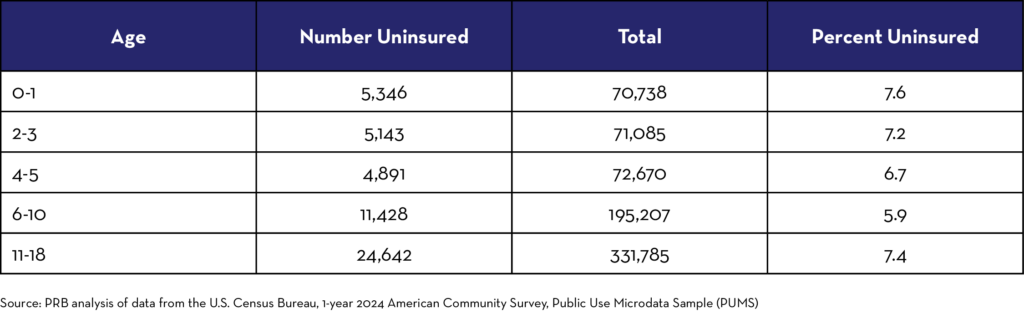
Table B5. Uninsured Children in Arkansas Ages 0 to 18 by Federal Poverty Guidelines, 2024
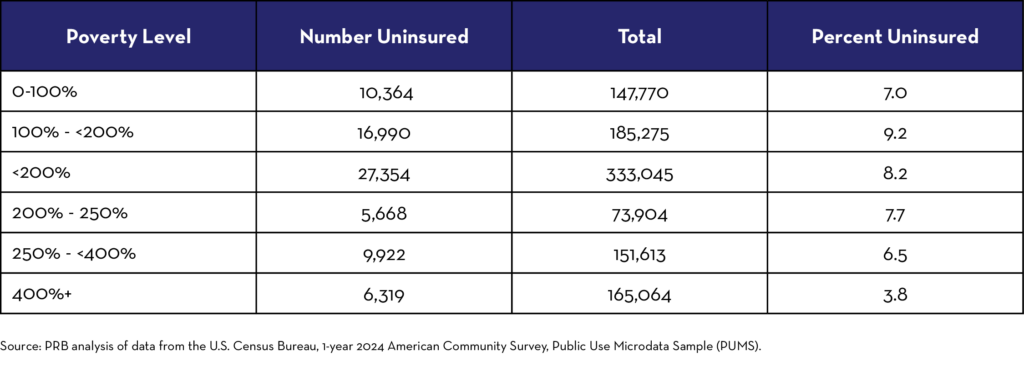
Table B6. Uninsured Children in Arkansas Ages 0 to 18 by Race/Ethnicity, 2024
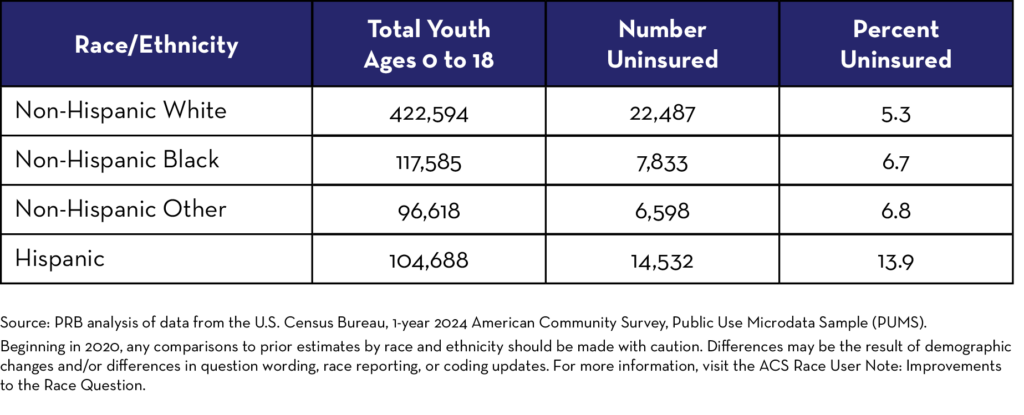
Table B7. Uninsured Children in Arkansas Ages 0 to 18 by Nativity and Poverty Level, 2024
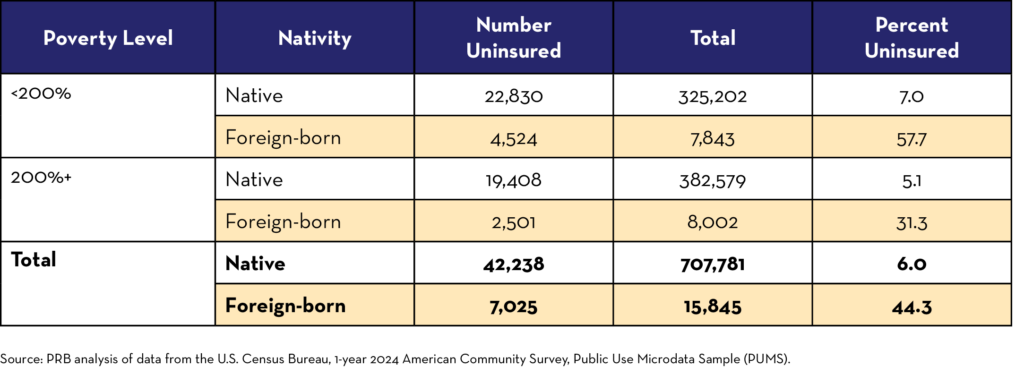
Table B8. Uninsured Children in Arkansas Ages 5 to 18 by Household Language and Poverty Level, 2024
Appendix C: Uninsured Adults in Arkansas
Table C1. Uninsured Adults in Arkansas Ages 19 to 64 by Income Level, 2024
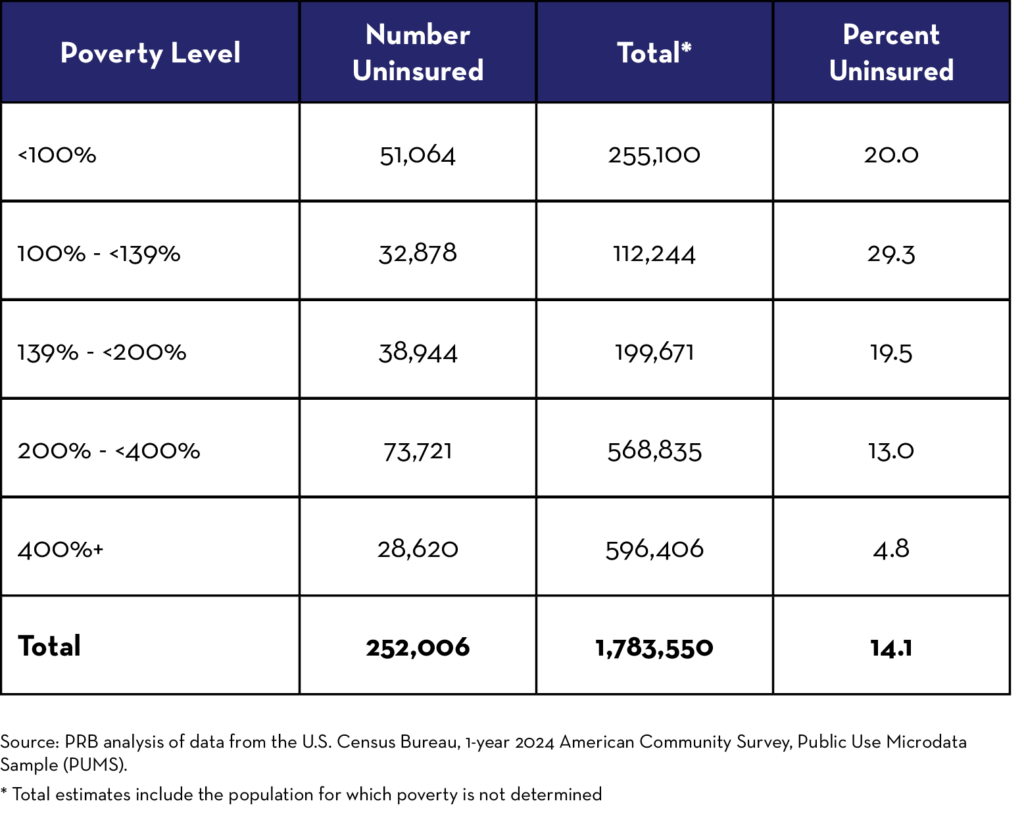
Table C2. Uninsured Adults in Arkansas Ages 19 to 64 by Race/Ethnicity, 2024
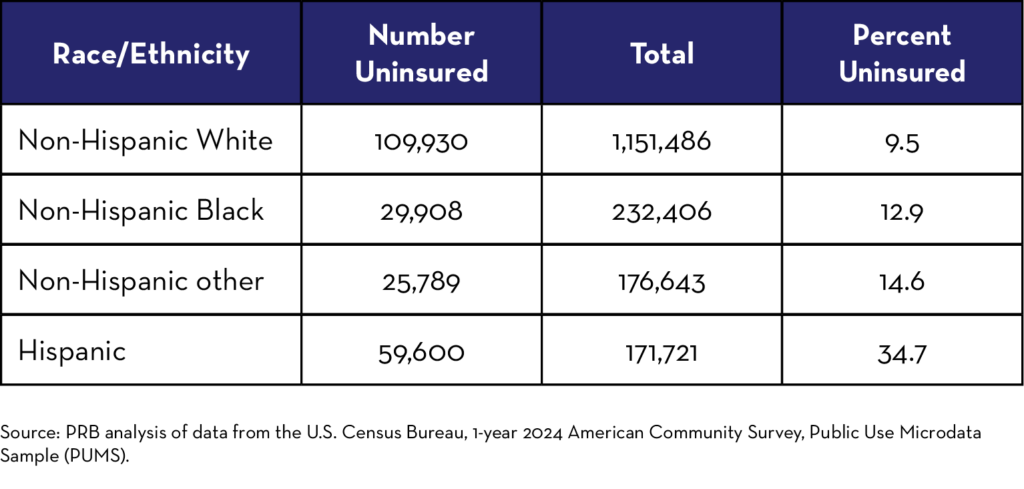
Table C3. Uninsured Adults in Arkansas Ages 26 and Older by Education Level, 2024
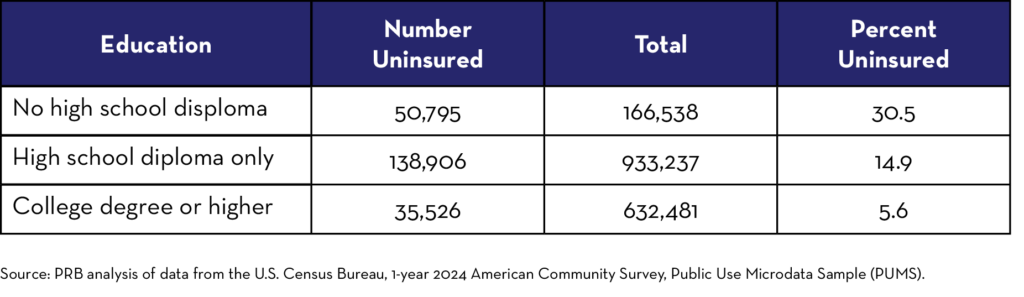
Table C4. Uninsured Adults in Arkansas Ages 19 to 64 by Employment Status, 2023
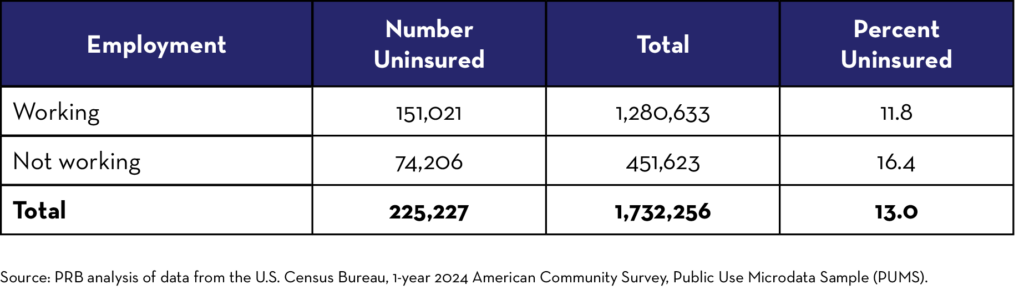
Table C5. Uninsured Adults in Arkansas Ages 19 to 64 by Income and Education, 2024
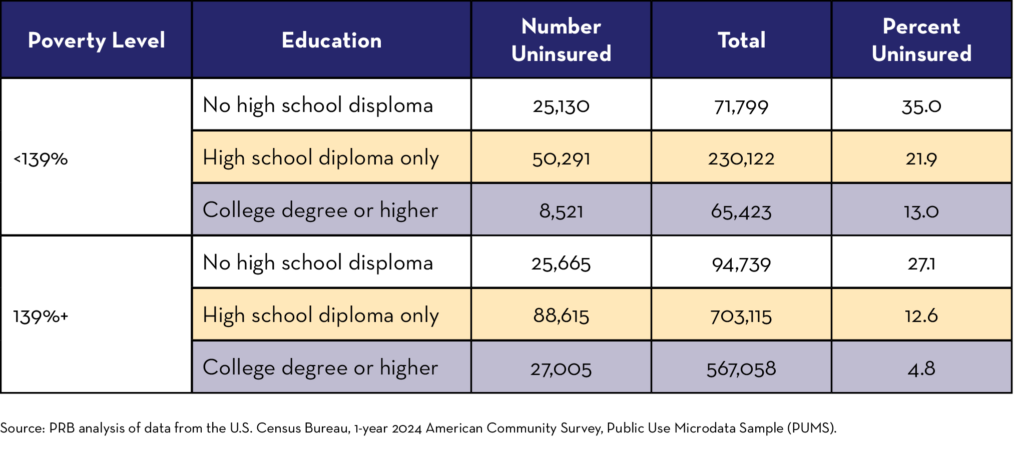
Table C6. Uninsured Women in Arkansas Ages 15 to 45 by Race/Ethnicity, 2024
Endnotes
1. https://kidshealthcarereport.ccf.georgetown.edu/states/arkansas/
2. https://www.medicaid.gov/medicaid/enrollment-strategies/continuous-eligibility-medicaid-and-chip-coverage
3. https://www.kff.org/medicaid/implications-of-continuous-eligibility-policies-for-childrens-medicaid-enrollment-churn/
4. https://aspe.hhs.gov/sites/default/files/documents/7240229f28375f54435c5b83a3764cd1/detailed-guidelines-2024.pdf
5. U.S. Census Bureau. “Poverty Status in the Past 12 Months by Sex by Age” American Community Survey, ACS 1-Year Estimates Detailed Tables, Table B17001, 2024, https://data.census.gov/table/ACSDT1Y2024.B17001?q=B17001; https://www2.census.gov/library/publications/2025/demo/acsbr-025.pdf
6. Annie E Casey Kids Count Data Book 2025 https://assets.aecf.org/m/databook/2025-KCDB-profile-AR.pdf
7. https://ccf.georgetown.edu/2024/05/02/child-medicaid-disenrollment-data-shows-wide-variation-in-state-performance-as-continuouscoverage-pandemic-protections-lifted/
8. https://ccf.georgetown.edu/2024/05/02/child-medicaid-disenrollment-data-shows-wide-variation-in-state-performance-as-continuouscoverage-pandemic-protections-lifted/
9. https://ccf.georgetown.edu/2025/08/14/new-cbo-health-coverage-estimates-of-budget-reconciliation-law/